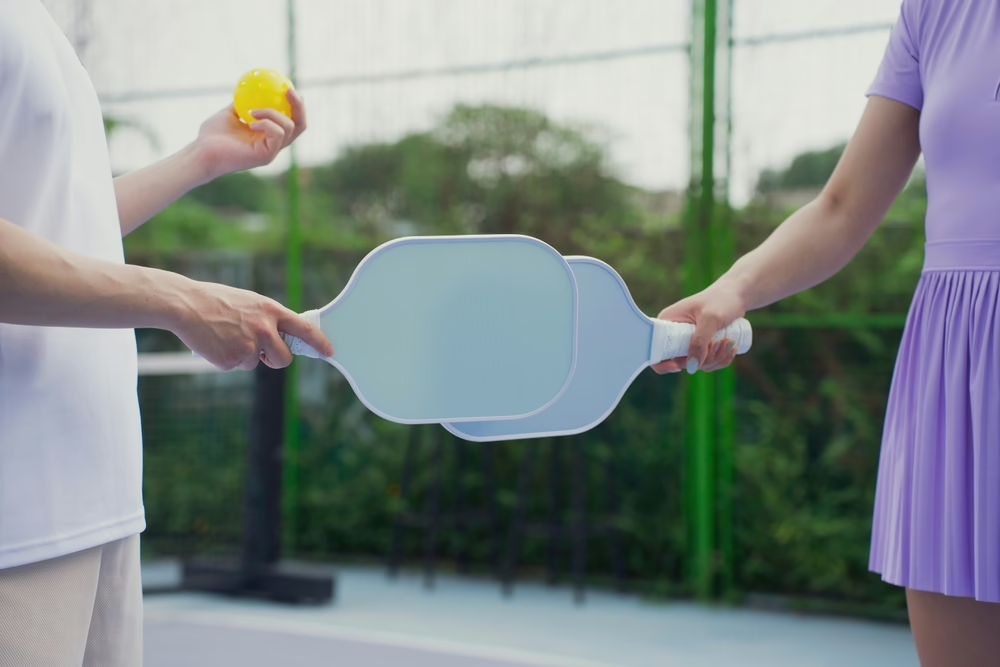
Pickleball’s explosive growth has transformed courts across the country into bustling hubs of activity. With millions of players enjoying the sport year-round, pickleball courts are experiencing unprecedented use—and wear. If you’re a facility manager, community recreation director, or property owner with pickleball courts, understanding when and why to resurface is crucial for maintaining a safe, playable surface that keeps players coming back.
The Critical Signs Your Court Needs Attention
Recognizing when your pickleball court requires resurfacing isn’t always straightforward. Unlike indoor surfaces, outdoor courts face constant exposure to weather, UV rays, temperature fluctuations, and heavy foot traffic.
Here are the key indicators that resurfacing should be on your radar:
- Surface Cracking and Deterioration: Small hairline cracks might seem cosmetic, but they’re often the first sign of deeper structural issues. As water penetrates these cracks through freeze-thaw cycles, they expand and create safety hazards. Larger cracks can catch paddle edges or cause players to trip, leading to potential injuries and liability concerns.
- Fading and Worn Court Lines: Court lines that have become difficult to see compromise game quality and player safety. Faded lines force players to make judgment calls on close shots, leading to disputes and frustration. Professional tournaments and serious recreational play require clearly defined boundaries that meet official specifications.
- Uneven Surface Areas and Pooling Water: Low spots that collect water after rain create slip hazards and prevent proper play. These areas often indicate settling or erosion beneath the surface. Standing water also accelerates surface deterioration and can freeze, causing additional damage in colder climates.
- Loss of Surface Texture: A smooth, slippery surface lacks the traction necessary for the quick lateral movements pickleball demands. Players need consistent grip for safe stops, starts, and directional changes. Without proper texture, courts become dangerous, especially in humid conditions or morning dew.
The Hidden Costs of Delaying Resurfacing
Many facility owners postpone resurfacing to avoid immediate costs, but this approach often proves more expensive in the long run. Understanding these hidden costs can help justify the investment in proper maintenance.
- Accelerated Deterioration: Small problems compound quickly. A minor crack that could be addressed during routine resurfacing can expand into major structural damage requiring complete reconstruction. Temperature extremes cause surfaces to expand and contract, widening existing cracks and creating new ones.
- Increased Liability: Exposure Deteriorated courts pose significant liability risks. Trip hazards, unpredictable ball bounces, and slippery surfaces can lead to serious injuries. The legal and insurance costs associated with accidents often far exceed the cost of preventive resurfacing.
- Player Satisfaction and Retention Poor court conditions drive players away. In today’s competitive recreation market, players have choices about where to play. Facilities with well-maintained courts attract more players, generate higher revenue, and build stronger community loyalty.
- Emergency Repairs vs. Planned Maintenance: Emergency repairs typically cost 2-3 times more than planned resurfacing. When courts become unplayable suddenly, you lose revenue while paying premium rates for rushed repairs. Scheduled maintenance allows for competitive bidding and proper planning.
Optimal Timing for Resurfacing Projects
Strategic timing of resurfacing projects maximizes value and minimizes disruption. Several factors should influence your scheduling decisions:
- Seasonal Considerations: Most resurfacing work should occur during moderate weather conditions. Spring and fall typically offer the best windows, avoiding summer heat that can affect curing and winter conditions that prevent proper installation. However, regional climate variations mean timing strategies differ by location.
- Usage Patterns: Schedule resurfacing during traditionally slower periods to minimize revenue loss. Many facilities find late fall or early winter ideal, completing work before peak spring and summer seasons. Understanding your community’s play patterns helps identify optimal timing windows.
- Budget Cycles: Align resurfacing projects with budget planning cycles. Many municipal and institutional facilities operate on fiscal years, making late summer or early fall ideal for project initiation. Early planning allows for proper budgeting and competitive contractor selection.
- Weather Windows: Quality resurfacing requires several consecutive days of appropriate weather conditions. Most professional contractors monitor extended forecasts and recommend timing based on optimal curing conditions. Rushing projects during marginal weather often results in inferior outcomes.
The Resurfacing Process: What to Expect
Professional pickleball court resurfacing involves several critical steps that ensure long-lasting results:
- Surface Assessment and Preparation: Qualified contractors begin with thorough surface evaluation, identifying underlying issues that could affect the new surface. Proper preparation includes crack repair, surface cleaning, and addressing any structural concerns before applying new materials.
- Multi-Layer Application System: Quality resurfacing typically involves multiple layers: a base coat that fills minor imperfections and provides adhesion, intermediate coats that build thickness and durability, and a final surface layer that provides playing characteristics and color. Each layer must cure properly before the next application.
- Line Striping and Finishing: Professional line striping ensures accurate court dimensions and crisp, durable markings. Modern striping materials are designed to withstand heavy use while maintaining visibility. Proper finishing includes texture application for optimal playing surface characteristics.
Long-Term Benefits of Professional Resurfacing
Investing in quality resurfacing delivers significant long-term value that extends far beyond the initial cost:
Extended Surface Life
Professional resurfacing can extend court life by 5-8 years when properly maintained. This represents substantial savings compared to complete reconstruction costs. Quality materials and proper installation techniques maximize return on investment.
Enhanced Player Experience
Newly resurfaced courts provide consistent ball bounce, reliable traction, and clear sightlines that enhance play quality. Players notice and appreciate well-maintained facilities, leading to increased usage and positive word-of-mouth marketing.
Reduced Maintenance Requirements Fresh surfaces require less frequent maintenance and cleaning. New coatings resist staining, provide easier cleaning, and maintain appearance longer. This reduces ongoing maintenance costs and staff time requirements.
Increased Property Value
Well-maintained recreational facilities enhance overall property values. For residential communities, quality courts are significant amenities that attract residents and maintain property values. Commercial facilities benefit from improved aesthetics and functionality.
Making the Investment Decision
When evaluating resurfacing investments, consider the total cost of ownership rather than just initial expenses. Factor in extended surface life, reduced maintenance costs, improved safety, and enhanced player satisfaction. Quality resurfacing represents preventive maintenance that protects your larger investment in court infrastructure. We can even provide gym turf solutions.
Working with experienced contractors who understand pickleball-specific requirements ensures optimal results. Look for companies with proven track records in sports surface construction, proper licensing and insurance, and familiarity with official pickleball court specifications.
Your pickleball courts are valuable community assets that deserve professional care. Strategic resurfacing maintains their value, ensures player safety, and supports the continued growth of this dynamic sport. Don’t wait until problems become emergencies—plan ahead and invest in quality resurfacing that serves your community for years to come.