Designing a top-tier baseball field requires a careful balance of performance, playability, and long-term financial wisdom. While traditional natural grass holds a nostalgic place in the sport, modern artificial turf has revolutionized the industry, offering a superior and more consistent playing surface that meets the demands of competitive programs, from youth leagues to professional stadiums.
Keystone Sports Construction specializes in creating high-performance athletic environments, and we recognize that today’s advanced synthetic turf systems are often the most strategic choice for baseball field design. This guide explores the key reasons why artificial turf is now considered the ideal solution for maximizing play, safety, and operational efficiency. Our team delivers turf field for baseball installations in DE and across the tri-state area.
Consistent Playability, Regardless of Weather
The single greatest advantage of artificial turf in baseball is its unmatched consistency and ability to withstand weather extremes. Natural grass fields can become muddy, uneven, or rock-hard depending on rain, heat, and maintenance scheduling.
Key Features and Benefits:
- Superior Drainage: State-of-the-art synthetic turf systems are installed over engineered drainage layers that rapidly shed water. A brief rain shower that would postpone a game on natural grass often has little impact on a turf field. This leads to significantly fewer rainouts and maximum scheduled field time.
- Uniform Surface: Unlike natural grass, which develops uneven wear patterns, divots, and bumps, artificial turf maintains a perfectly level and consistent surface across the infield and outfield.
- Predictable Ball Roll: The texture and density of modern baseball turf are designed to mimic the speed and roll of a well-maintained natural field, offering predictability for both fielders and runners.
Enhanced Athlete Safety and Injury Mitigation
Player safety is paramount in baseball field design. Artificial turf systems are engineered with advanced shock-absorbing properties that can reduce the risk of common baseball injuries.
Key Features and Benefits:
- Shock Absorption: Turf systems incorporate a padded shock pad or specialized infill material that provides a cushioned landing surface. This reduces impact forces on the joints, minimizing the risk of lower-body injuries related to running and sliding.
- Reduced Abrasions: Modern turf fibers are designed to be less abrasive than older generations of synthetic fields, reducing the severity of “turf burn” and skin injuries during slides.
- Elimination of Hard Spots: By removing the natural variations in soil and subgrade, turf eliminates hidden hazards like hard spots, loose debris, or uneven patches that can cause sprained ankles or knee injuries.
- Pest and Allergen Control: Turf eliminates the need for fertilizers, pesticides, and herbicides, creating a healthier environment. It also significantly reduces pollen, benefitting players and spectators with allergies.
Long-Term Cost Savings and Operational Efficiency
While the initial investment for artificial turf is higher than for natural grass, the long-term operational savings and extended usage hours often make turf the more financially sound choice over the system’s lifespan.
Key Features and Benefits:
- Minimal Maintenance: The costly, labor-intensive routine required for natural grass like mowing, aeration, fertilization, watering, sod replacement, and painting is virtually eliminated. Turf only requires periodic brushing, cleaning, and infill replenishment.
- Maximum Field Utilization: Since turf fields are ready for play almost immediately after rain and require minimal upkeep downtime, they can be used for practice, games, and multiple sports (like soccer or lacrosse) far more frequently than natural grass.
- No Water Costs: Eliminating the need for extensive irrigation provides substantial savings in water consumption, a significant factor for facilities in dry climates or those facing rising utility costs.
- Extended Lifespan: A high-quality baseball turf system from a reputable installer like Keystone Sports Construction can last 10 to 15 years or more before requiring replacement.
Design Flexibility and Customization
Artificial turf provides unprecedented freedom to customize the field’s look, performance, and functionality, allowing designers to meet the precise needs of any program.
Key Features and Benefits:
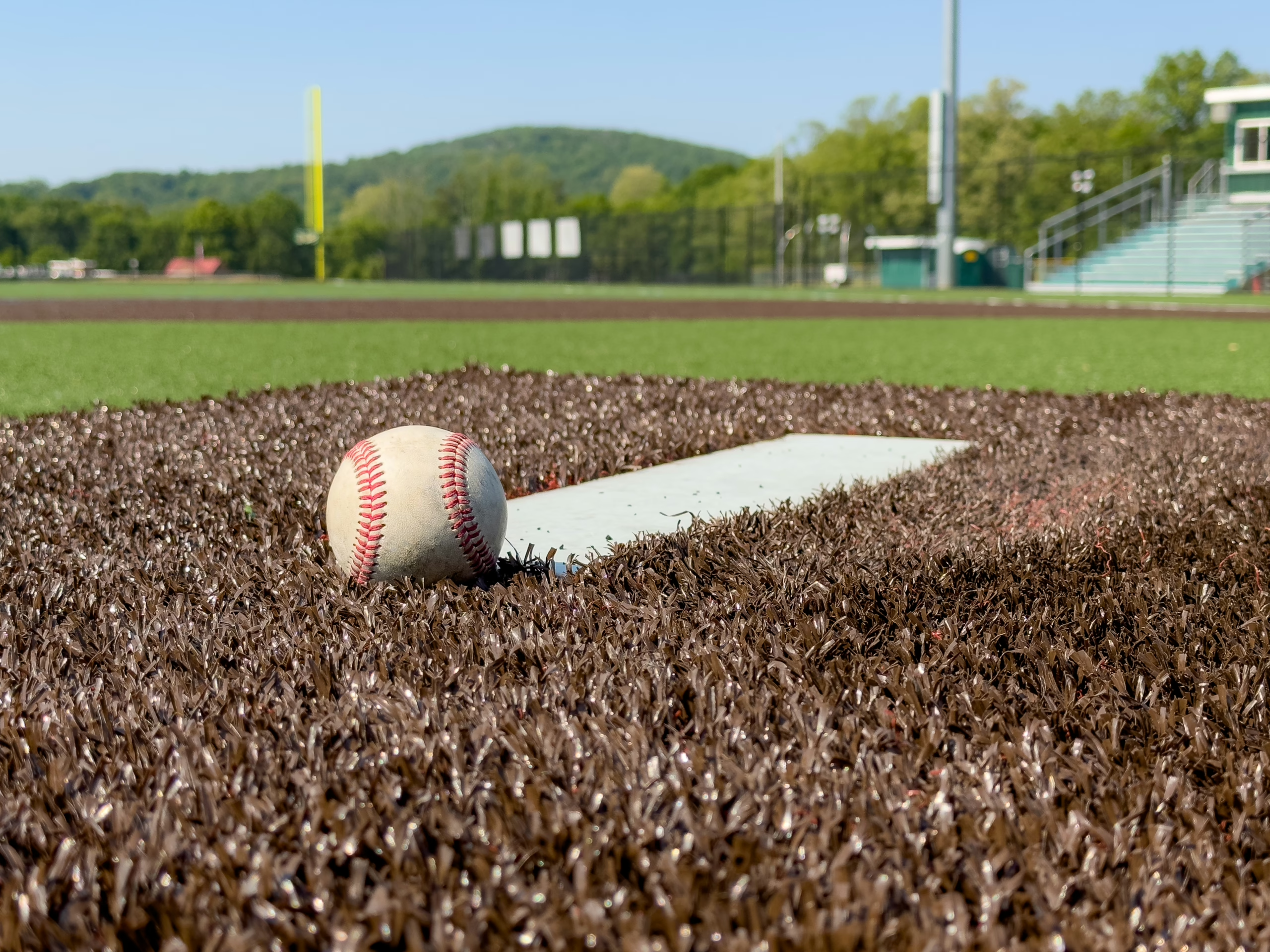
- Seamless Basepath Integration: Turf allows for a seamless transition between the basepaths and the main field surface. Designers can choose different colors and textures to delineate the bases, batter’s boxes, and pitching mound, eliminating the constant maintenance of dragging and re-lining dirt paths.
- Custom Logos and Markings: Team colors, intricate logos, and permanent secondary game markings can be seamlessly integrated directly into the turf fibers during installation, providing a professional and branded aesthetic that never fades or washes away.
- Specialized Zones: Different turf pile heights or infill types can be used for specific zones to precisely tailor performance characteristics across the field.
The Keystone Advantage: Engineered Baseball Fields
The decision to install artificial turf is a crucial step toward building a safer, more consistent, and more cost-effective baseball program. However, the quality of the installation and the base construction beneath the turf are just as important as the turf material itself. We even offer turf baseball field construction near Washington D.C.
Keystone Sports Construction provides comprehensive baseball field design, construction, and installation services. We specialize in engineered base systems that maximize drainage and make sure the longevity and playability of your synthetic turf investment.
 October 1, 2026
 July 30, 2026
 July 28, 2026