Transitioning Indoors: High-School Gym Floor Refinishing Before Hoops Season
Read More
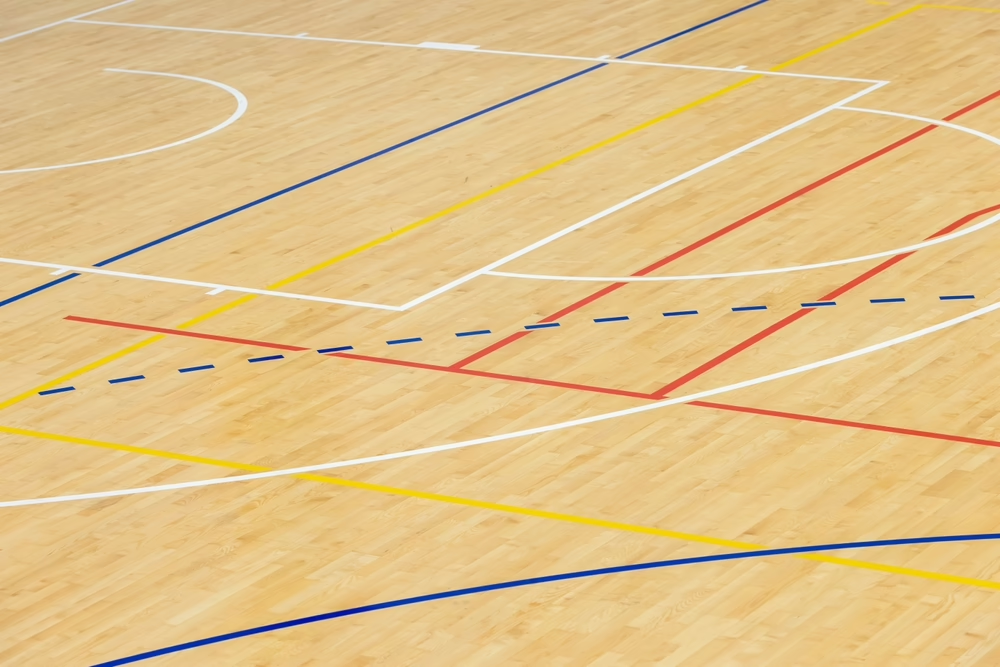
A well-maintained gym floor does more than just look good. It’s essential for athlete safety, performance, and school pride. When a court starts showing signs of wear, like dead spots, slick finishes, or uneven boards, it’s a signal that your facility might be due for maintenance or replacement. Whether you’re planning a minor repair or a full renovation, understanding what goes into a gym flooring project can help schools make informed, cost-effective decisions.
Hardwood gym flooring installation in New York provides a safe, high-performance surface ideal for sports, schools, and community facilities.
A damaged or aging gym floor can create real problems beyond appearance. The top concern is safety. Splintering boards, uneven surfaces, and slippery finishes can lead to injuries like sprains or falls. Over time, the protective coating on hardwood floors wears down, reducing traction and shock absorption. Both are critical for high-impact sports such as basketball or volleyball.
The National Safety Council notes that sports like basketball and football rank among the leading causes of student injuries, and poor flooring conditions can increase that risk. Moisture issues beneath the surface can also cause mold or warping, leading to more extensive structural damage.
Beyond safety, the quality of athletic hardwood flooring in NY and the surrounding areas affects athletic performance and school morale. Dead spots disrupt gameplay, scuffed or faded paint lines impact visibility, and players lose confidence in their home court. A gym that’s properly maintained not only enhances athletic outcomes but also reinforces school spirit and pride.
Successful gym flooring projects depend on collaboration across departments. The Athletic Director is typically the first point of contact since they understand how the floor’s condition impacts athletes and scheduling. The Facilities Manager or Maintenance Director plays an equally important role overseeing the project logistics, managing budgets, and ensuring long-term maintenance.
Schools should also involve administrators and business offices early in the process. Clear communication about safety priorities, budget expectations, and maintenance timelines makes sure that everyone is aligned before work begins.
Before deciding on repairs or replacements, schools should conduct a professional flooring assessment. This evaluation will identify surface damage, subfloor integrity, and moisture conditions all of which determine whether a simple refinish or full replacement is needed.
Here are some of the most common types of gym floor projects:
Synthetic gym floors may require different techniques, such as heat-welding patches or replacing entire sections. Regardless of the material, maintaining proper humidity levels and following consistent cleaning practices will help preserve performance and extend lifespan.
Gym flooring projects can range from minor maintenance to major capital investments. When budgets are tight, schools can explore creative funding solutions such as local sponsorships, community fundraising, or grants for facility improvement. Many flooring companies can provide detailed estimates and phased plans, helping schools prioritize safety without exceeding financial limits.
It’s also important to consider the long-term cost of ownership. A properly installed and maintained gym floor can last decades, while deferred maintenance often leads to more expensive repairs later. Choosing the right materials and establishing a consistent care schedule pays off over time.
Hardwood gym flooring installation in Maryland offers a durable, high-performance surface perfect for sports, schools, and recreational facilities.
For schools, gym flooring projects are more than a facilities task, they’re an investment in student safety, performance, and pride. By understanding how to assess existing floors, plan maintenance or replacement, and manage budgets effectively, schools can make sure their athletic spaces stay safe, functional, and inspiring for years to come.
Whether refinishing a hardwood surface or installing a new synthetic system, thoughtful planning and professional execution make all the difference. Contact us today!