Key Considerations for Track Flooring in College Athletics
Read More

When athletes step onto a professional running track, they experience the culmination of months of careful planning, engineering, and construction. What appears as a seamless oval of vibrant polyurethane represents a complex system designed to withstand decades of use while providing optimal performance for runners of all levels. Understanding the complete lifecycle of a running track system reveals the intricate process behind creating these athletic foundations. Keystone Sports Construction can provide running track repair solutions.
The journey begins long before the first shovel breaks ground. During the planning phase, our team conducts comprehensive site assessments to evaluate soil conditions, drainage requirements, and environmental factors that will influence the track’s longevity. This initial evaluation determines whether the existing subgrade can support the track system or if additional soil stabilization measures are necessary.
Design considerations extend far beyond the track’s dimensions. We analyze the intended usage patterns, from high school cross-country teams to elite competitive events, as each application demands specific performance characteristics. The orientation of the track relative to prevailing winds, sun exposure, and surrounding structures all influence the final design. During this phase, we also coordinate with architects and landscape designers to ensure the track integrates seamlessly with the broader athletic facility master plan.
Environmental impact assessments and permit acquisition occur simultaneously with design development. Modern track systems must comply with increasingly stringent stormwater management requirements, often incorporating permeable surfaces and drainage solutions that exceed traditional standards. These early investments in environmental stewardship pay dividends throughout the track’s operational life.
Once designs are finalized and permits secured, the construction phase begins with extensive site preparation. Proper excavation and grading form the foundation for track longevity, making this arguably the most critical phase of the entire process. Our crews remove existing surfaces and excavate to predetermined depths, typically ranging from 12 to 18 inches depending on local soil conditions and climate requirements.
The base construction process involves multiple layers of engineered materials, each serving specific functions. The subbase layer, usually consisting of compacted aggregate, provides structural stability and facilitates drainage. Above this, we install a precise asphalt base that must meet exacting specifications for density, smoothness, and grade. Modern laser-guided equipment ensures the track maintains consistent cross-slopes and elevations that will remain stable for decades.
Drainage infrastructure installation occurs concurrently with base construction. Underground systems including French drains, catch basins, and storm sewers are positioned according to engineered drawings that account for regional rainfall patterns and soil permeability. This infrastructure remains largely invisible once the track is completed, yet it fundamentally determines whether the surface will remain playable during and after weather events.
The installation of the polyurethane running surface represents the most technically demanding phase of construction. Modern track surfaces consist of multiple layers, each engineered for specific performance characteristics. The base layer provides stability and impact absorption, while subsequent layers fine-tune characteristics like energy return, traction, and weather resistance.
Temperature and humidity conditions during installation critically affect surface quality and longevity. Our installation teams monitor weather conditions continuously and adjust application schedules to ensure optimal curing conditions. The polyurethane materials must be mixed and applied according to precise specifications, with timing measured in minutes rather than hours once the chemical reactions begin.
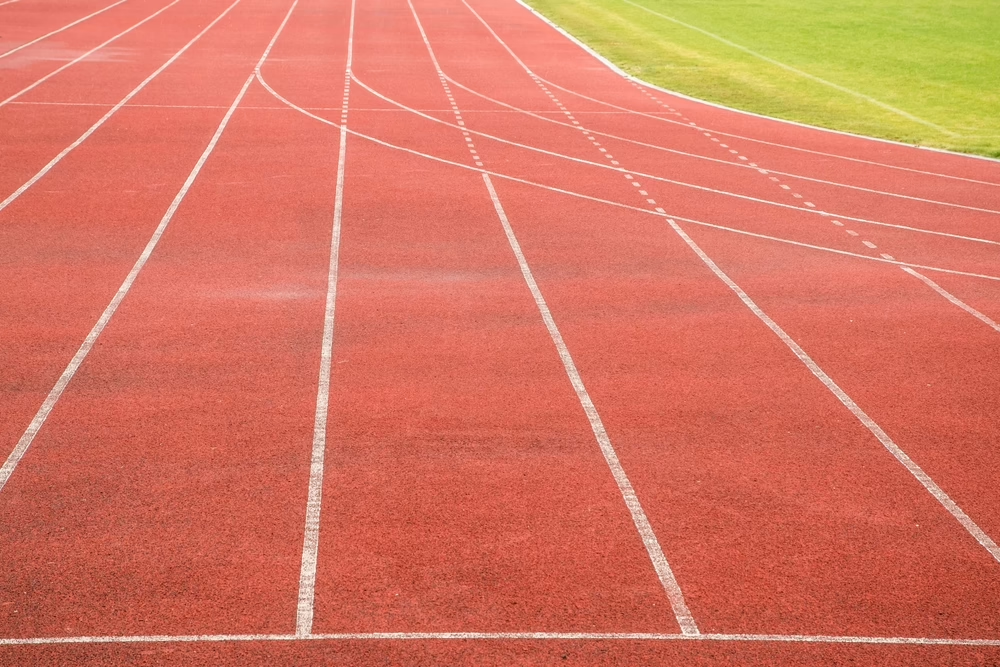
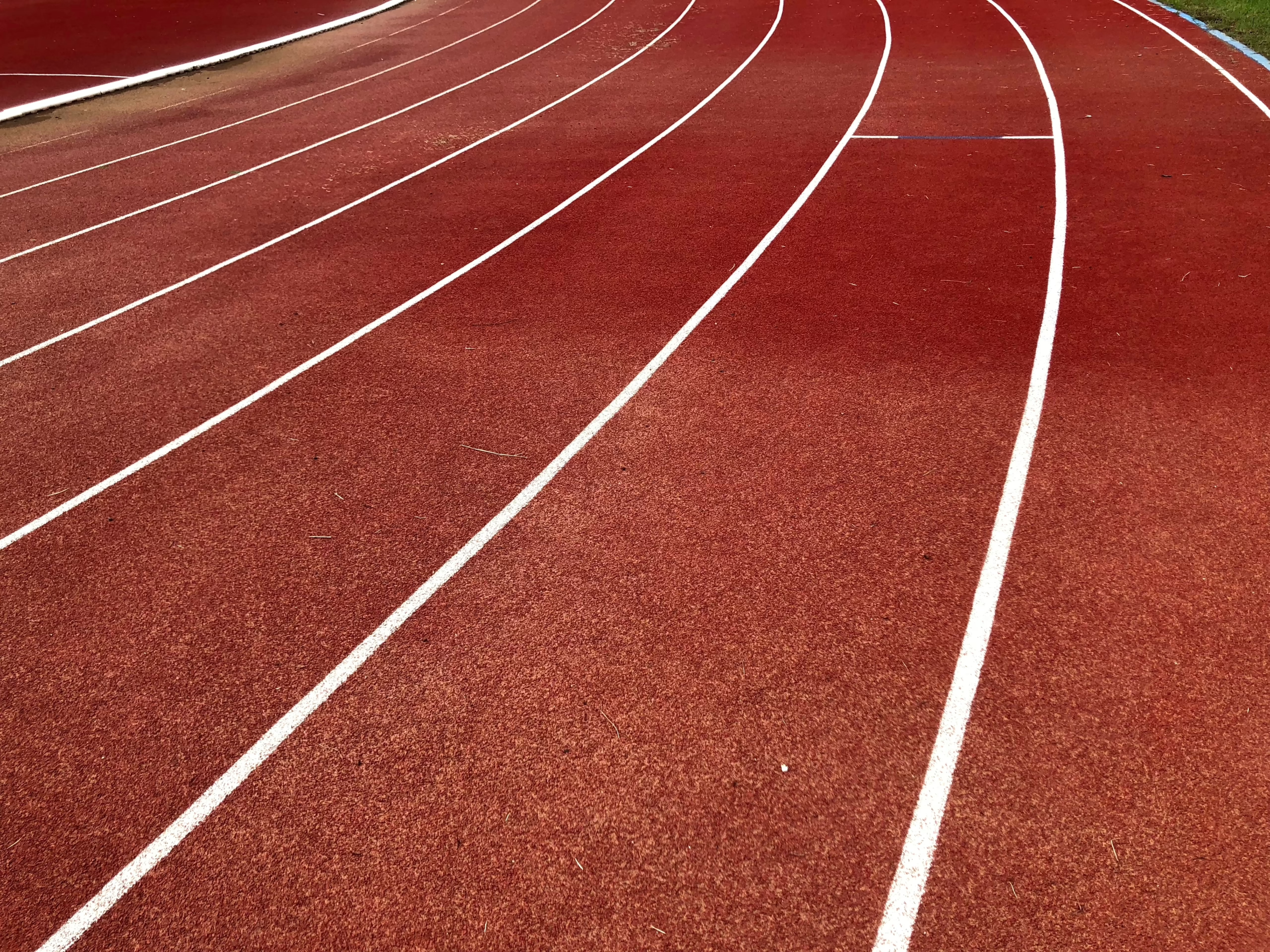
Lane marking and field event areas require additional specialized attention during this phase. The iconic white lines that define each lane are integrated into the surface system, not merely painted on top. Similarly, areas designated for field events like shot put or javelin receive additional reinforcement to withstand the unique stresses these activities generate.
Before any athlete sets foot on the new surface, comprehensive testing ensures the track meets all performance and safety standards. This phase includes both laboratory analysis of surface samples and field testing of completed areas. We measure characteristics like force reduction, vertical deformation, and surface friction using specialized equipment that simulates the forces generated by running athletes.
Certification by governing bodies such as the International Association of Athletics Federations (IAAF) or USA Track & Field requires extensive documentation and third-party verification. These certifications ensure the track meets international competition standards and qualify the facility to host sanctioned events. The testing process also establishes baseline performance metrics that will guide future maintenance decisions.
The first year of operation serves as an extended break-in period during which the track surface reaches its optimal performance characteristics. During this time, we work closely with facility managers to establish maintenance protocols and monitor surface performance. Regular inspections identify any areas requiring minor adjustments or repairs before they develop into larger issues.
User education plays a crucial role during this phase. Coaches, athletes, and maintenance staff learn proper care techniques that will extend the track’s useful life. This includes guidance on appropriate footwear, equipment usage restrictions, and cleaning procedures that preserve surface integrity without compromising performance.
Proactive maintenance distinguishes tracks that provide decades of reliable service from those requiring premature replacement. Our comprehensive maintenance programs address everything from routine cleaning and minor crack repairs to periodic surface rejuvenation treatments. Regular professional inspections identify emerging issues before they compromise safety or performance.
The maintenance phase also includes periodic updates to lane markings, logos, and other surface graphics. As facility needs evolve, we can modify existing tracks to accommodate new sports or reconfigure layouts without complete reconstruction. This adaptability extends the practical life of the investment while keeping pace with changing athletic program requirements.
Even with excellent maintenance, running tracks eventually require renovation or replacement. Modern track systems typically provide 15-20 years of reliable service, though exceptional maintenance can extend this timeline significantly. When renovation becomes necessary, much of the underlying infrastructure can often be preserved, reducing costs and environmental impact compared to complete reconstruction.
The renovation process begins with comprehensive evaluation of existing conditions, determining which components can be retained and which require replacement. In many cases, the base structure remains sound while only the surface layers need renewal. This approach provides an essentially new track at approximately 60-70% of the cost of complete reconstruction.
The lifecycle of a running track system represents a significant long-term investment in athletic excellence and community health. From initial planning through decades of operation, each phase requires specialized expertise and attention to detail. When properly executed, this process creates athletic facilities that inspire peak performance while providing reliable service for generations of athletes.
At Keystone Sports Construction, we understand that building a track system means creating a legacy. Our comprehensive approach to each lifecycle phase ensures that every project meets the highest standards for performance, durability, and value. Whether you’re planning a new facility or considering renovation of an existing track, our team brings the expertise and commitment necessary to guide your project through every phase of its lifecycle. Reach out for more sports field design options today!