
Southampton Township Pickleball Court Resurfacing | Shippensburg, PA
Southampton Township Pickleball Court Resurfacing | Shippensburg, PA
Location: Shippensburg, PA
Client: Southampton Township
Facility: Pickleball Courts
Project Type: Court Resurfacing
Sports: Pickleball
Surface: Acrylic Court Surfacing
Scope: Resurfacing, Acrylic Coating, Pickleball Striping, Net and Pole Installation
Project Gallery
Project Summary
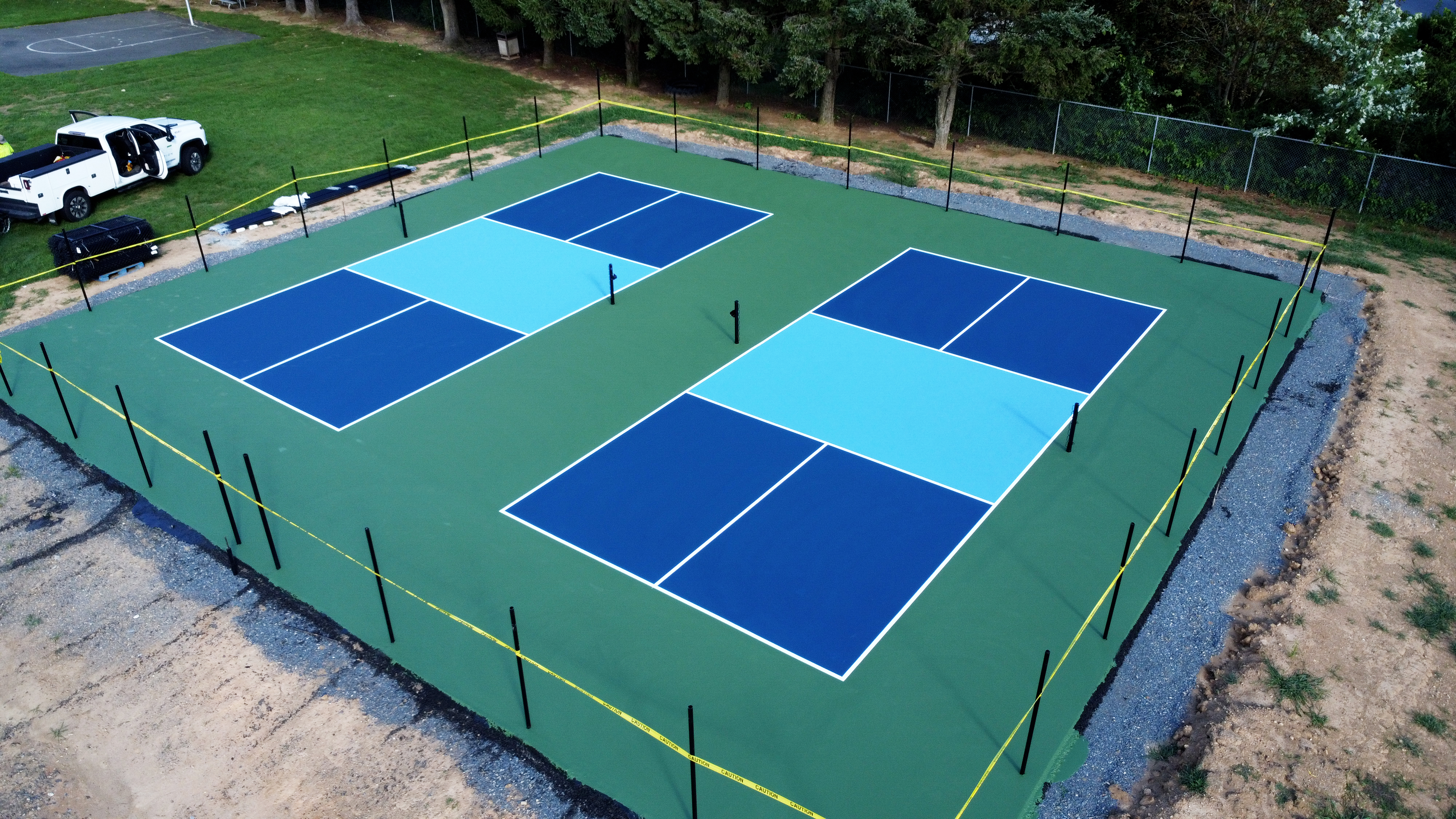
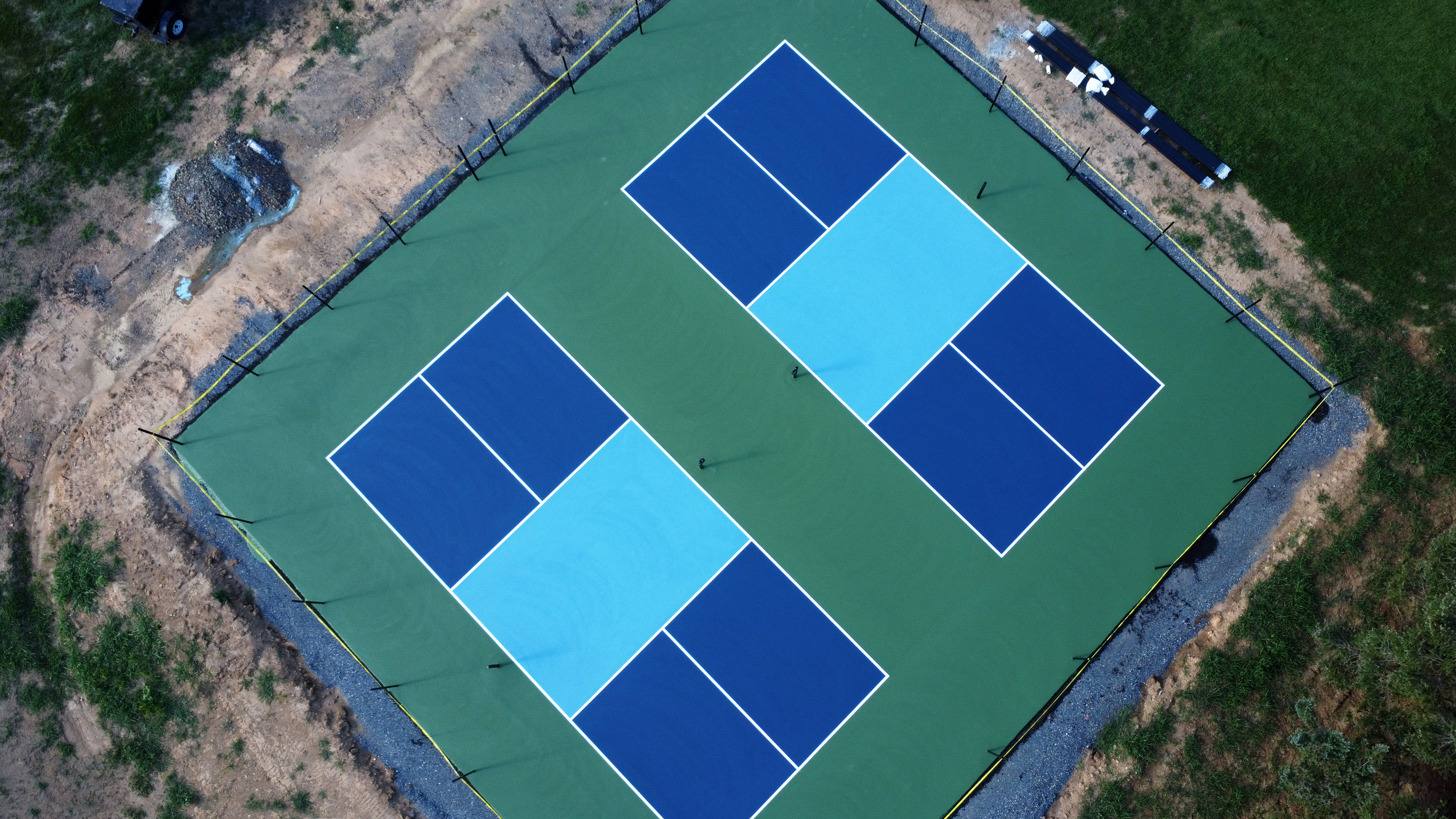
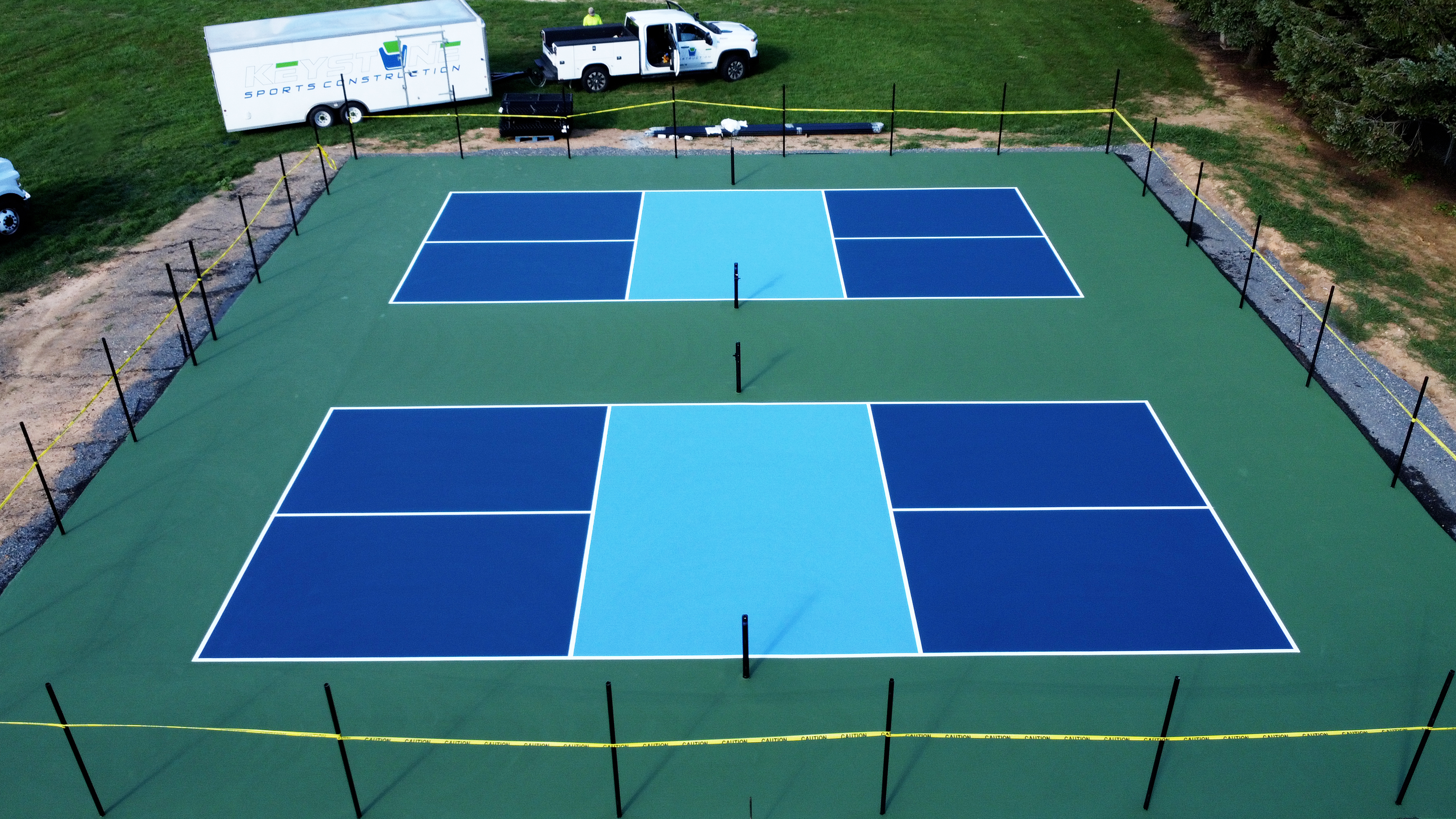
Keystone Sports Construction recently completed pickleball court resurfacing for Southampton Township in Shippensburg, Pennsylvania.
The Client
Southampton Township dates to 1783, when it was created from portions of Lurgan and Hopewell townships. The formation of Franklin County the following year divided it into separate Southampton townships in Franklin and Cumberland counties.
The Challenge
The pickleball court renewal covered the acrylic playing finish and the equipment needed for play. Netting and poles were part of the scope together with the resurfacing work.
Construction Process
Keystone resurfaced the courts and installed a new acrylic surface coating. Pickleball striping was then provided, and netting and poles were installed to complete the playing areas.
Project Details
- Pickleball court resurfacing
- Installation of a new acrylic surface coating
- Installation of netting and poles
Materials & Systems
- Acrylic court resurfacing and color coating
Design Elements
- Sports lines for pickleball
FAQs
What does court resurfacing involve? Court resurfacing renews the finish above the pavement. The process starts with assessing whether the existing court is suitable and identifying preparation or repairs needed before new surfacing and color coatings are applied. Markings complete the playing layout after that finish work. A useful assessment separates worn coatings from damage deeper in the pavement, allowing the renovation to address the actual condition instead of assuming that every court needs the same treatment.
Why is precise pickleball court striping important? Pickleball players rely on the service boxes, outside boundaries, and non-volley zone to apply the rules of play. Striping gives those areas a clear position on the finished surface. Accurate layout and sufficient contrast between line and court colors make the boundaries easier to recognize. When coatings are renewed, the markings must be coordinated with the new finish so the court remains readable and the playing areas are consistently identified.