
Lehigh University Indoor Tennis Court Resurfacing | Bethlehem, PA
Lehigh University Indoor Tennis Court Resurfacing | Bethlehem, PA
Location: Bethlehem, PA
Client: Lehigh University
Facility: Indoor Tennis Courts
Project Type: Court Resurfacing
Sports: Tennis
Surface: Acrylic Court Surfacing
Scope: Acrylic Surfacing, Tennis Court Striping
Project Gallery
Project Summary
Keystone Sports Construction recently completed resurfacing of the indoor tennis courts at Lehigh University in Bethlehem, Pennsylvania.
The Client
Founded in 1865 by railroad industrialist Asa Packer, Lehigh University developed alongside Bethlehem’s industrial economy. Its campus remains closely connected to the city where Packer established the institution.
The Challenge
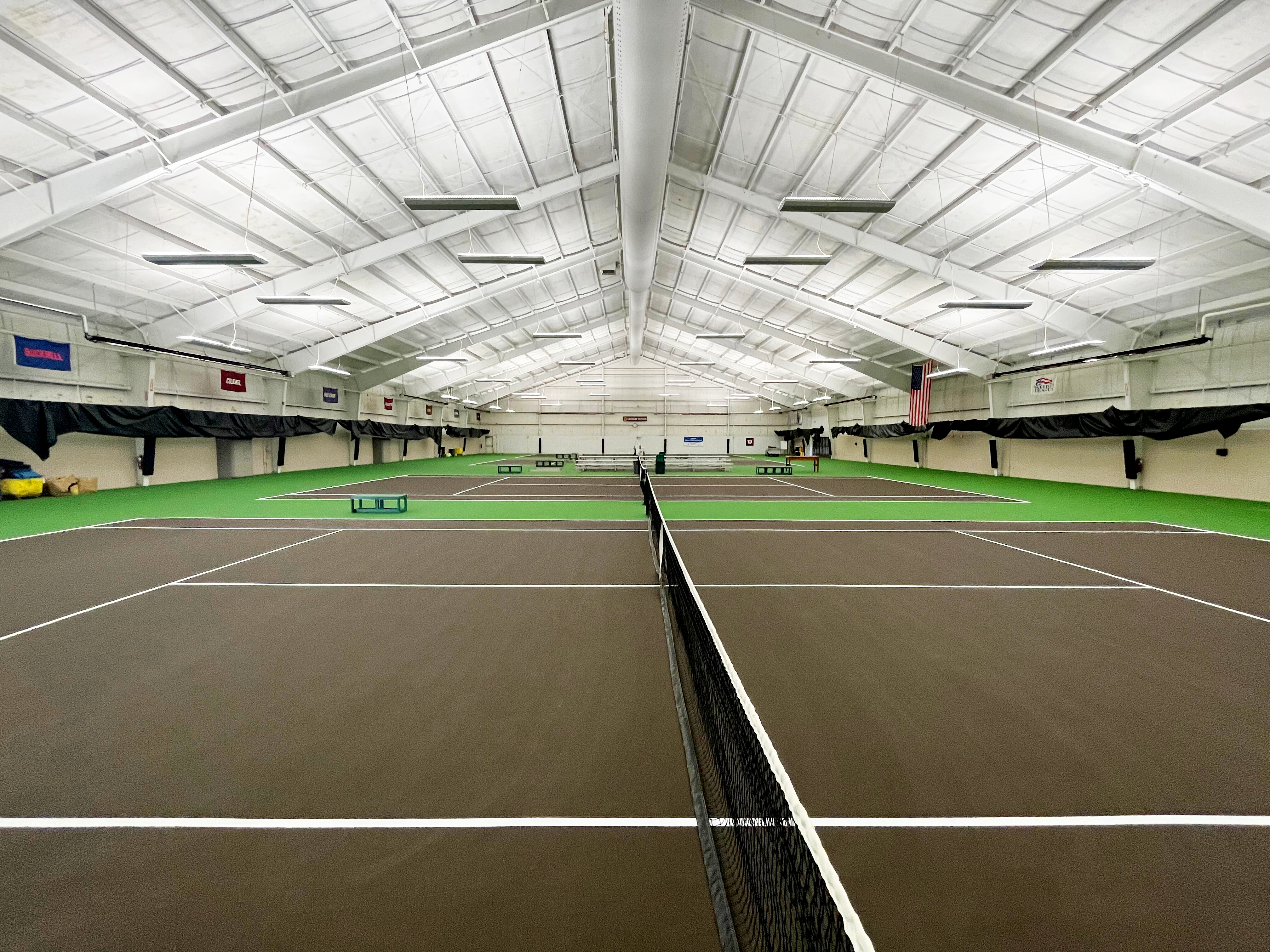
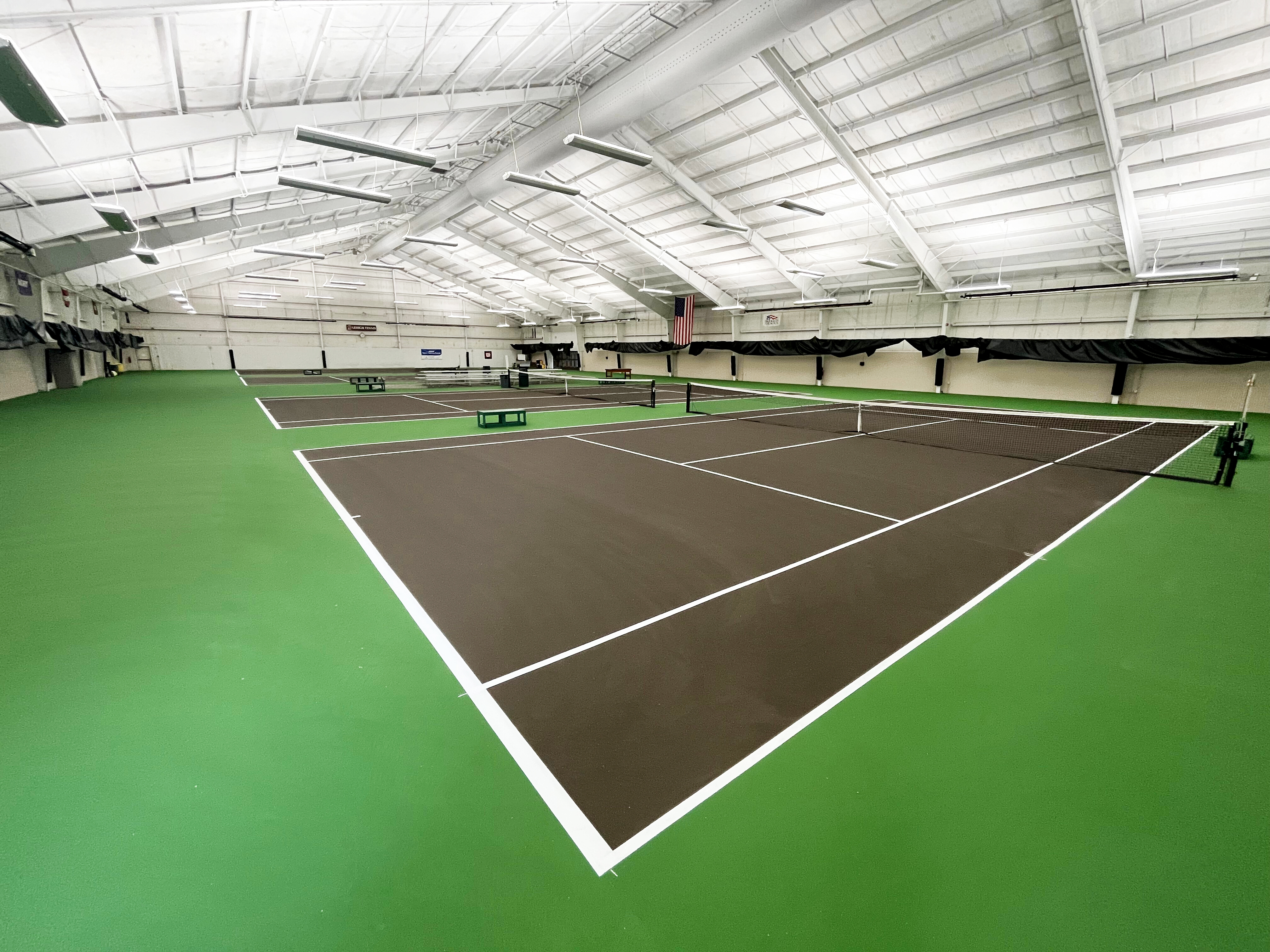
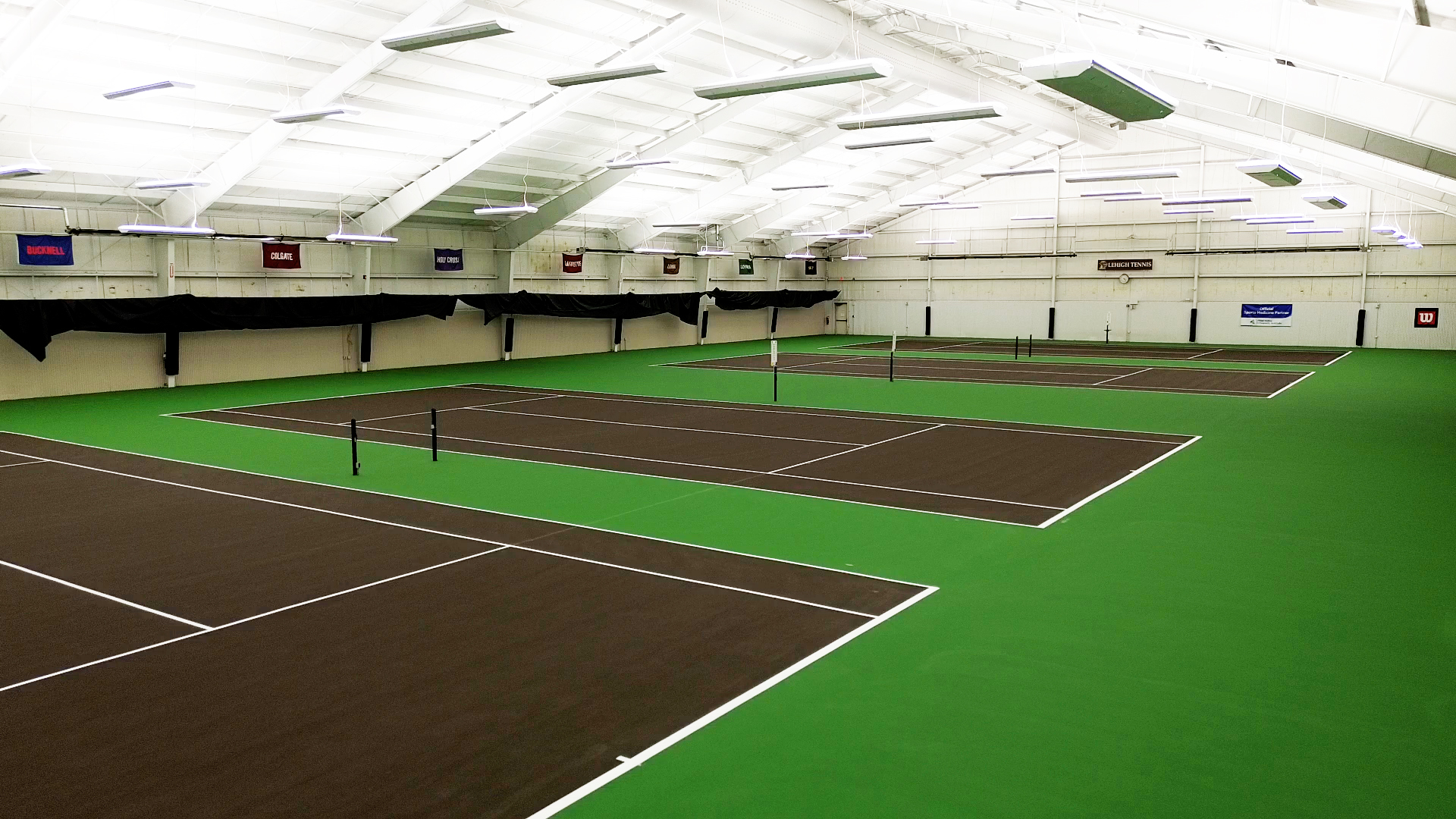
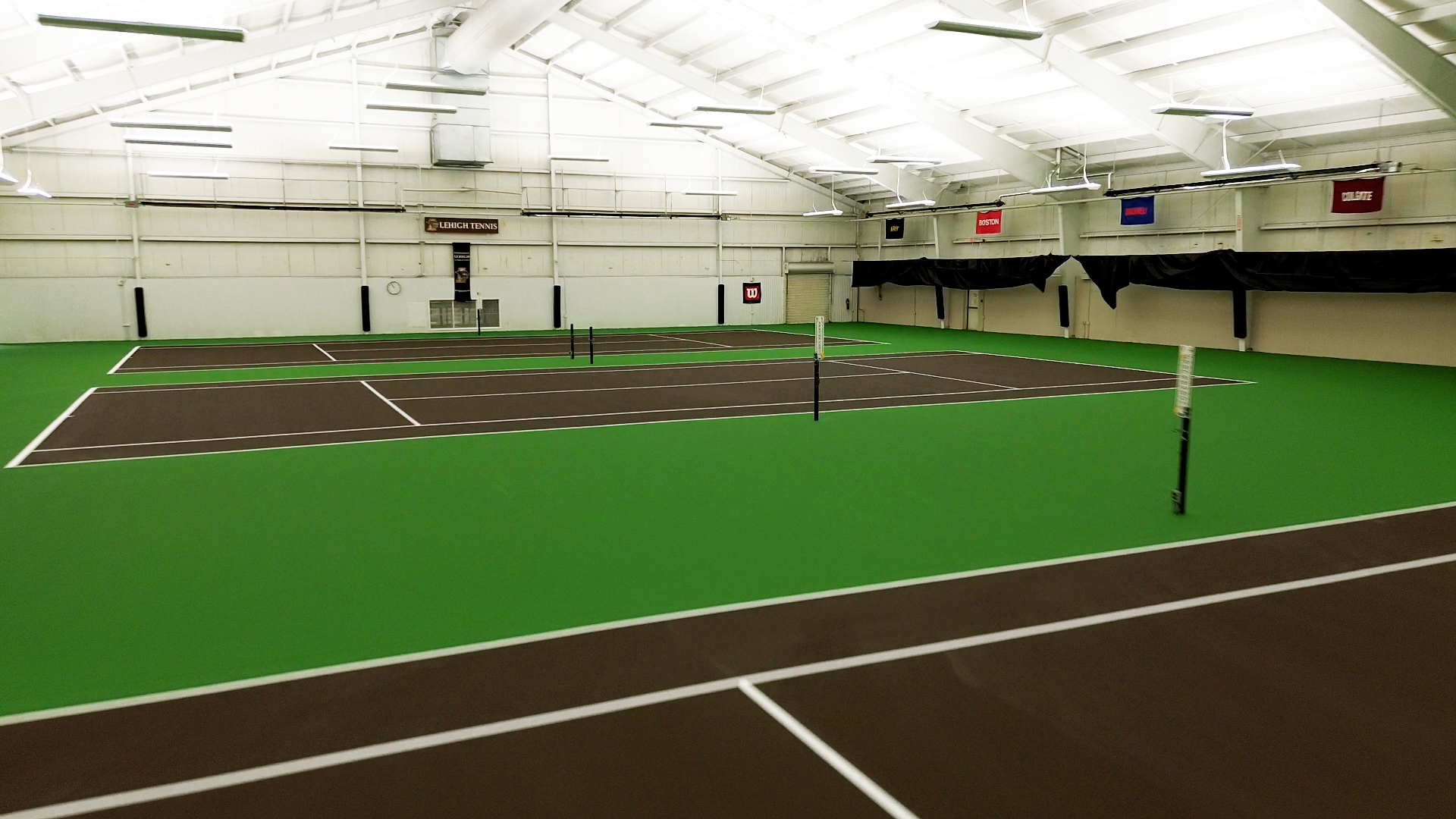
The indoor tennis facility required a renewed acrylic playing surface. The renovation covered four courts and included a brown and green finish for the playing areas.
Construction Process
Keystone installed new acrylic surfacing across Lehigh’s four indoor tennis courts. A brown and green color scheme defined the finished court areas, which were striped for tennis.
Project Details
- Acrylic resurfacing of four indoor tennis courts
Materials & Systems
- Acrylic court surfacing
Design Elements
- Sports lines for tennis
- Brown and green court color scheme
FAQs
What does court resurfacing involve? Resurfacing renews the acrylic layer that gives a hardcourt its playing finish. The existing surface is evaluated and prepared, with any necessary repairs addressed before new coatings are applied. Color coating and fresh markings then complete the court. The assessment matters because surface wear and pavement failure call for different work: an acrylic renewal can address a worn finish, while a damaged foundation may need a more extensive renovation.
What can be customized during court resurfacing? Court color, boundary markings, and custom graphics can be coordinated when a surface is renewed. Contrasting colors distinguish the playing area from the space around it, while logos or lettering can identify a school or recreation facility. Planning these choices before coating begins helps establish a coherent finished design. The layout should keep the game’s boundaries readily visible, with decorative elements positioned so they do not obscure the markings players need.