
Lancaster Mennonite School Stadium Turf Field Replacement | Lancaster, PA

Lancaster Mennonite School Stadium Turf Field Replacement | Lancaster, PA
Location: Lancaster, PA
Client: Lancaster Mennonite School
Facility: Stadium Turf Field
Project Type: Stadium Turf Field Replacement
Surface: Synthetic Turf
Scope: Existing Turf Removal, Synthetic Turf Installation
Turf System: Dual-Fiber Synthetic Turf with a Thatch Zone
Project Gallery
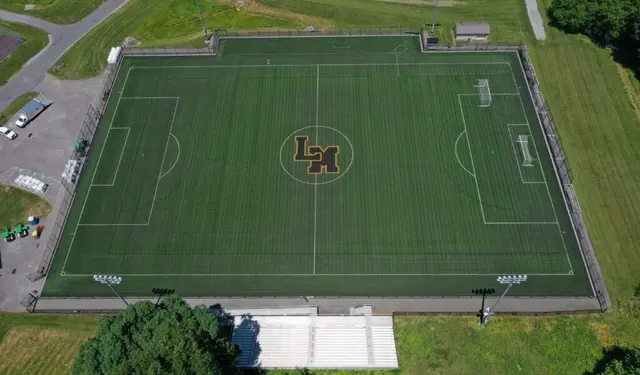
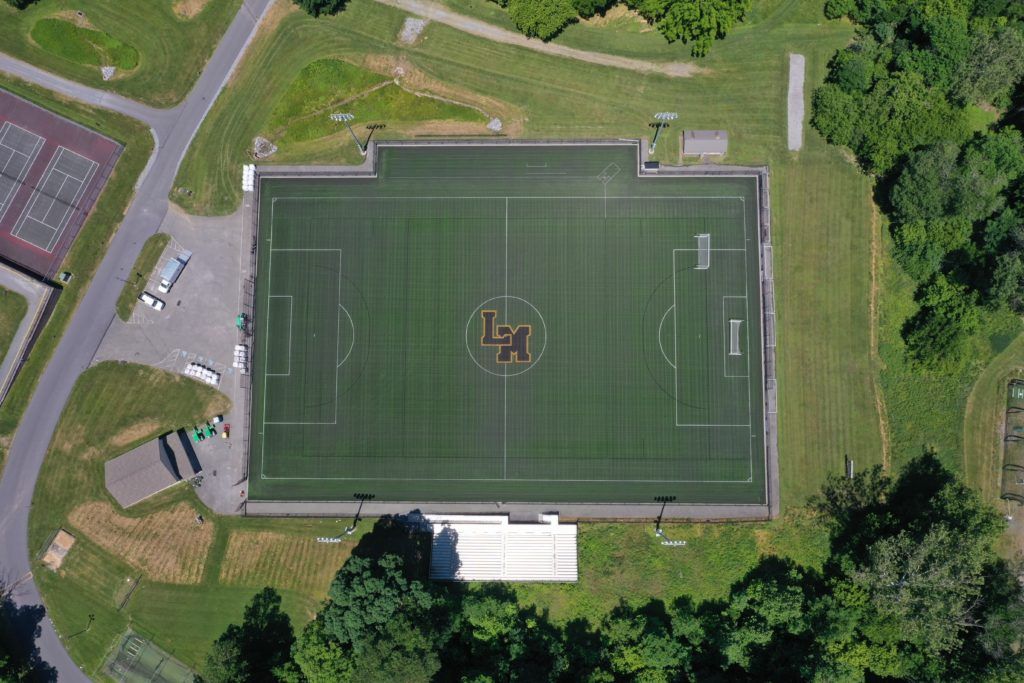
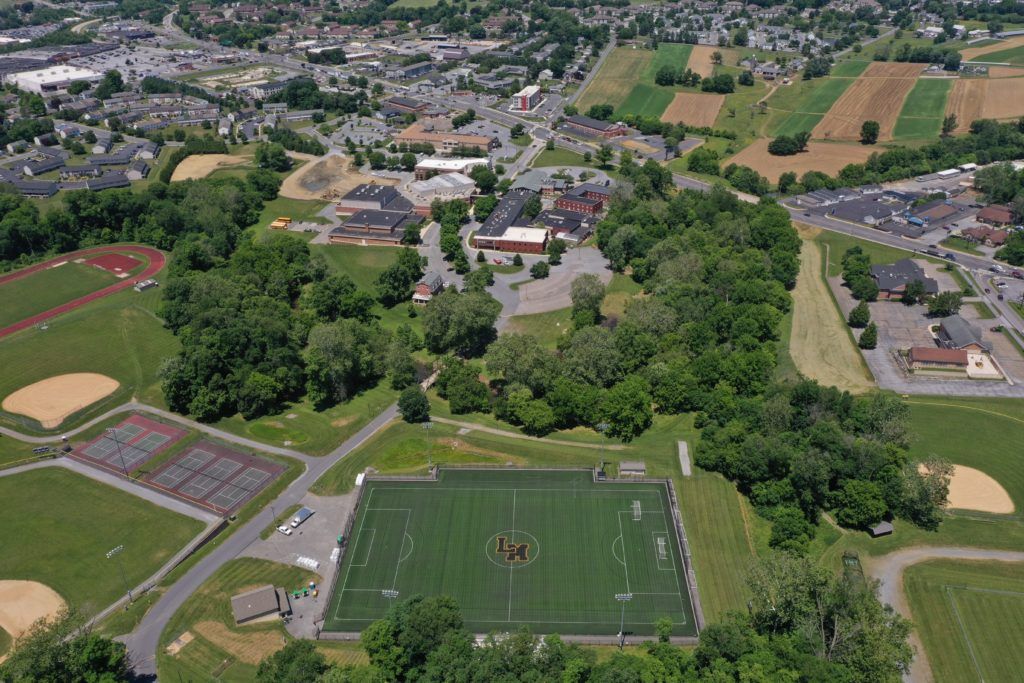
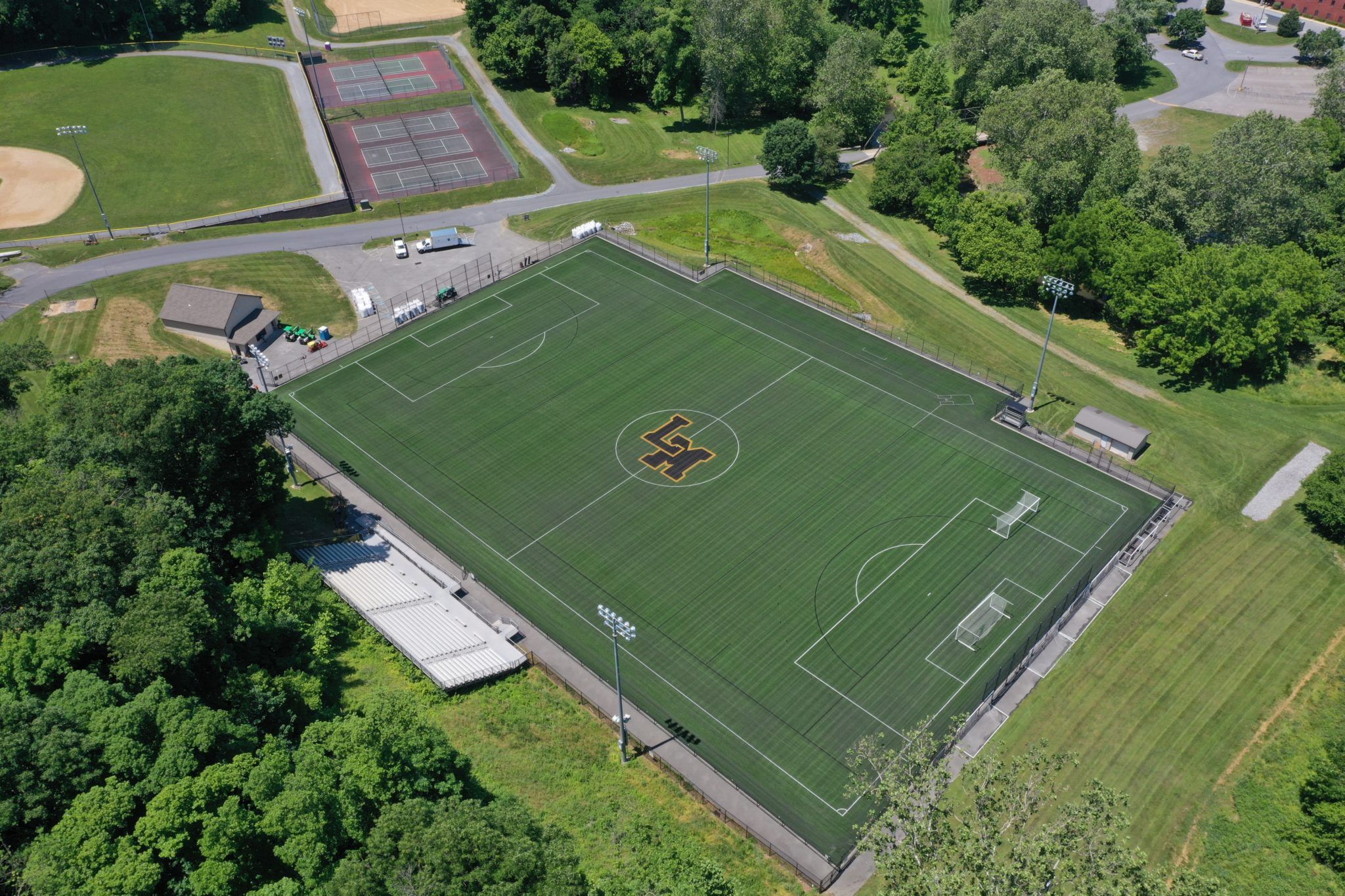
Project Summary
Keystone Sports Construction recently completed stadium turf field replacement at Lancaster Mennonite School in Lancaster, Pennsylvania.
The Client
Lancaster Mennonite School was founded in 1942 on the former Yeates School property. The school’s Lancaster campus grew from that original educational site.
The Challenge
Replacement of the stadium surface included recovery of the field’s existing infill. The renovation paired that material recovery with removal and replacement of the turf.
Construction Process
The stadium renovation began with reclamation and recycling of the existing infill. Keystone then removed the old turf and installed dual-fiber synthetic turf with a thatch zone at Lancaster Mennonite School.
Project Details
- Reclamation and recycling of existing infill
- Removal of existing stadium turf
- Installation of dual-fiber synthetic turf with a thatch zone
Materials & Systems
- Dual-fiber synthetic turf with a thatch zone
FAQs
What is the best time to replace your artificial turf field? A replacement decision should begin with an assessment of the field’s present condition. Heavy use, aging materials, and accumulated wear can affect the surface differently, so an assumed service life is not a complete guide. Where deterioration starts to affect player safety or reliable use, a qualified evaluation can establish whether repair remains appropriate. The findings help owners plan renewal with a clearer understanding of the existing system and the work needed.
What are the benefits of recovering infill during turf replacement? Recovering infill separates a reusable or recyclable material stream from the turf being removed. When the material is suitable and an appropriate destination is available, recovery can reduce the amount sent for disposal. Its condition, compatibility, and intended next use need to be evaluated before reuse is chosen. Including that decision in replacement planning allows handling and removal to be coordinated without assuming that every recovered material belongs in the new field.