
Honey Brook Borough Pickleball Court Mill & Pave | Honey Brook, PA
Honey Brook Borough Pickleball Court Mill & Pave | Honey Brook, PA
Location: Honey Brook, PA
Client: Honey Brook Borough
Facility: Pickleball Courts
Project Type: Pickleball Court Milling and Paving
Sports: Pickleball
Surface: Asphalt with Acrylic Surfacing
Scope: Milling, Paving, Acrylic Color Coating, Court Striping, Net Equipment, Fencing
Project Gallery
Project Summary
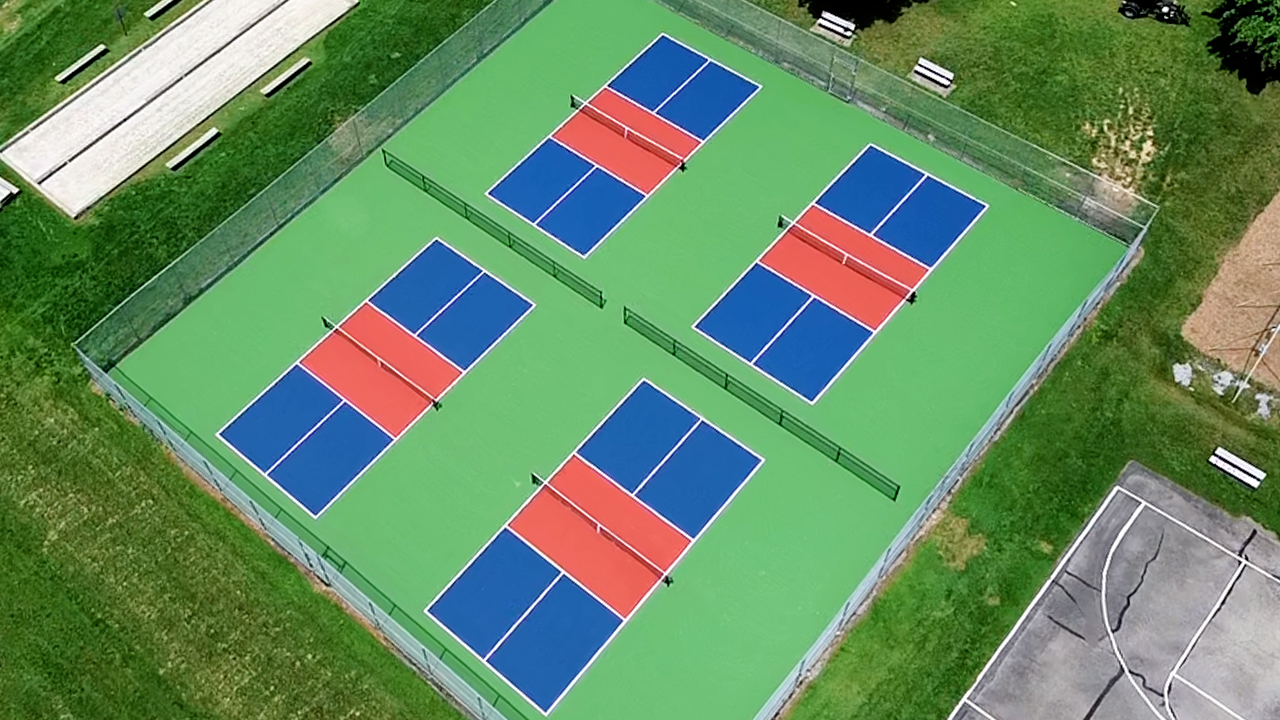
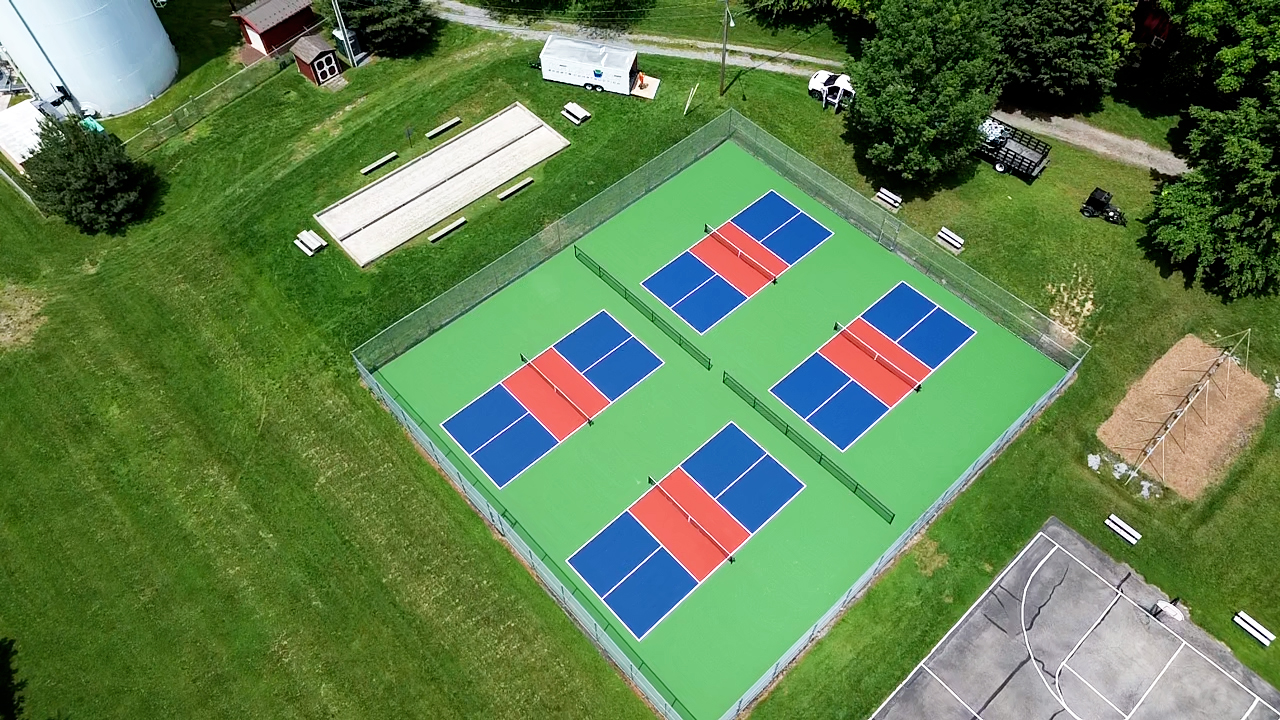
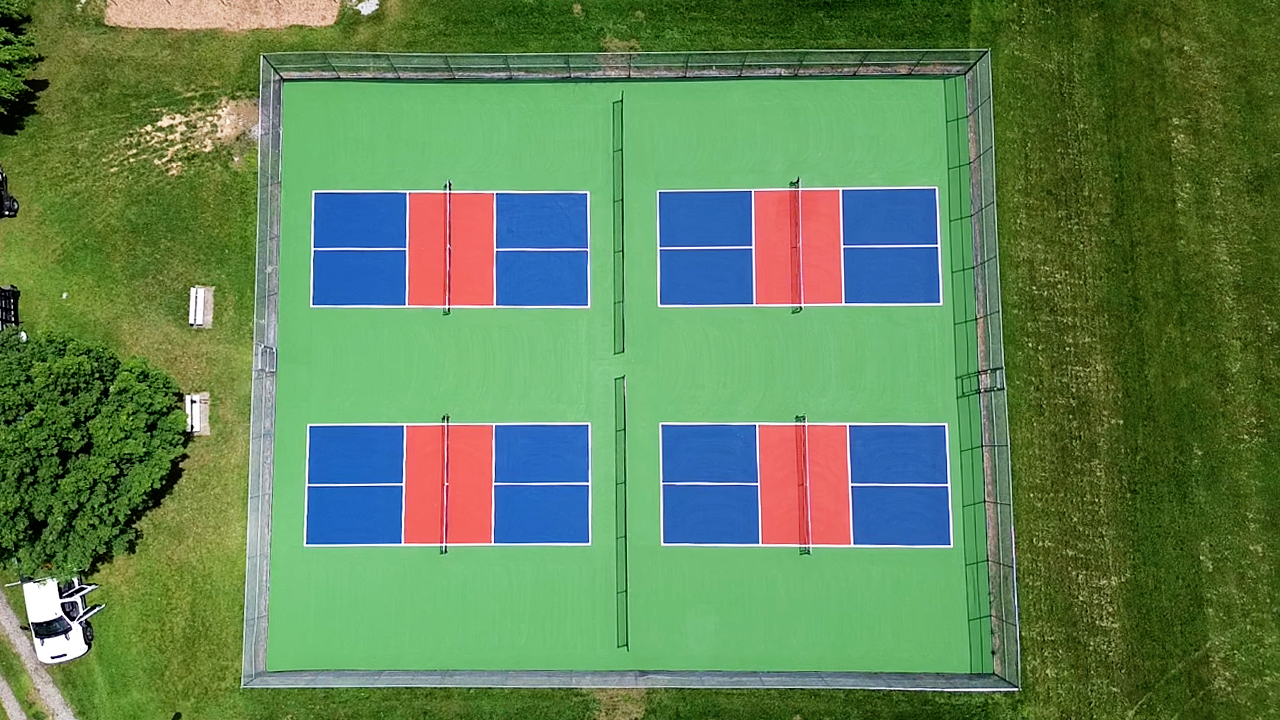
Keystone Sports Construction recently completed pickleball court milling and paving for Honey Brook Borough in Honey Brook, Pennsylvania.
The Client
Honey Brook began as the village of Waynesburg in 1815. Its name changed after the railroad arrived in 1884 and freight was confused with shipments bound for another Pennsylvania town called Waynesburg.
The Challenge
The borough’s court renovation addressed pavement, playing surfaces, and equipment in one project. New fencing between the courts was included with the renewed pickleball facilities.
Construction Process
Keystone milled and paved the existing pickleball courts before applying acrylic color coating. The team added pickleball markings, installed new posts and nets, and placed fencing between the courts.
Project Details
- Milling and paving of the existing courts
- Application of acrylic color coating
- Installation of pickleball posts and nets
- Installation of fencing between the courts
Materials & Systems
- Asphalt pavement
- Acrylic color coating
Design Elements
- Sports lines for pickleball
FAQs
When does a court need milling and paving rather than resurfacing? A court with sound pavement and a worn finish may be a candidate for acrylic resurfacing. When the pavement itself has significant defects, the renovation may instead require milling and new paving before coatings are applied. Evaluating the depth and extent of deterioration helps establish that boundary. The purpose is to address the supporting surface where necessary, so the final acrylic finish is not asked to conceal problems it cannot correct.
What does fencing add to an athletic court facility? Court fencing helps define the facility and contain balls within or between playing areas. Where courts are adjacent, separation can reduce balls traveling into a neighboring game. Layout decisions should also consider entrances, circulation, and access for maintenance so containment does not interfere with use of the site. Choosing the fence arrangement around those practical needs makes it part of the court facility’s operation as well as its physical boundary.