
FC Copa Academy Indoor Turf Installation | Hillsborough Township, NJ
FC Copa Academy Indoor Turf Installation | Hillsborough Township, NJ
Location: Hillsborough Township, NJ
Client: FC Copa Academy
Facility: Indoor Sports Facility
Project Type: Indoor Turf Installation
Sports: Soccer
Surface: Synthetic Turf
Scope: Synthetic Turf Installation
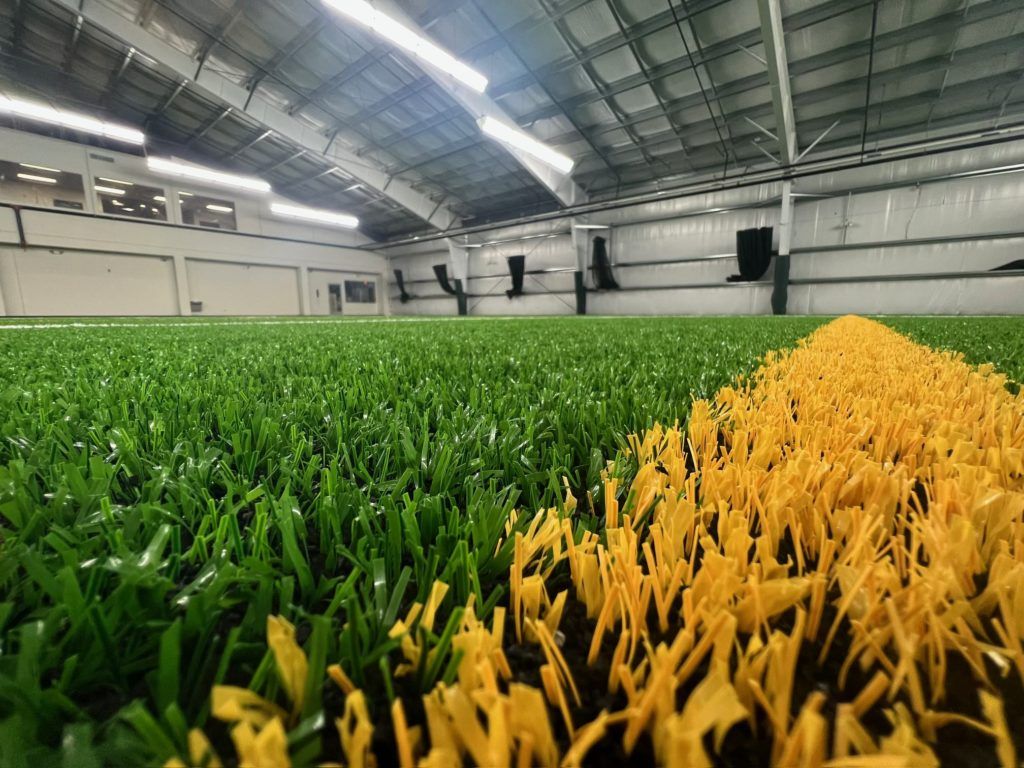
Turf System: Dual-Fiber Synthetic Turf with a Thatch Zone
Project Gallery
Project Summary
Keystone Sports Construction recently completed synthetic turf installation for FC Copa Academy’s indoor facility in Hillsborough Township, New Jersey.
The Client
Founded in 2004, FC Copa Academy develops youth soccer players through training and competition, with a focus on helping athletes progress toward collegiate play.
The Challenge
The newly opened indoor facility required a synthetic playing surface for the academy’s training activities. This installation formed part of the organization’s expansion of its facilities.
Construction Process
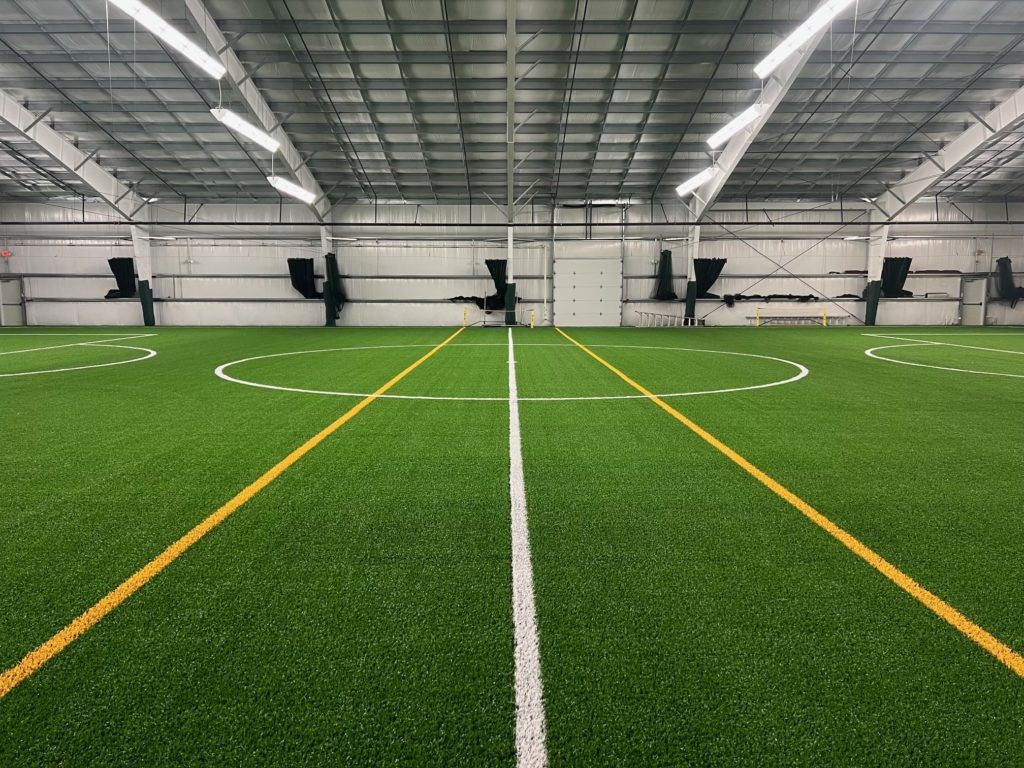
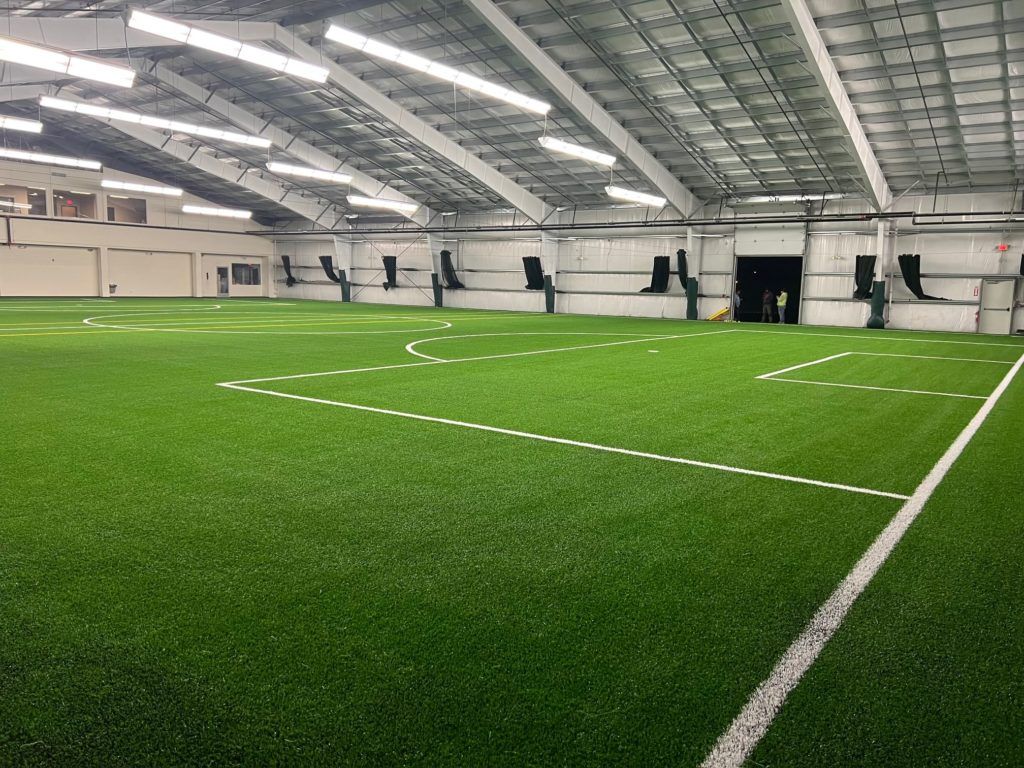
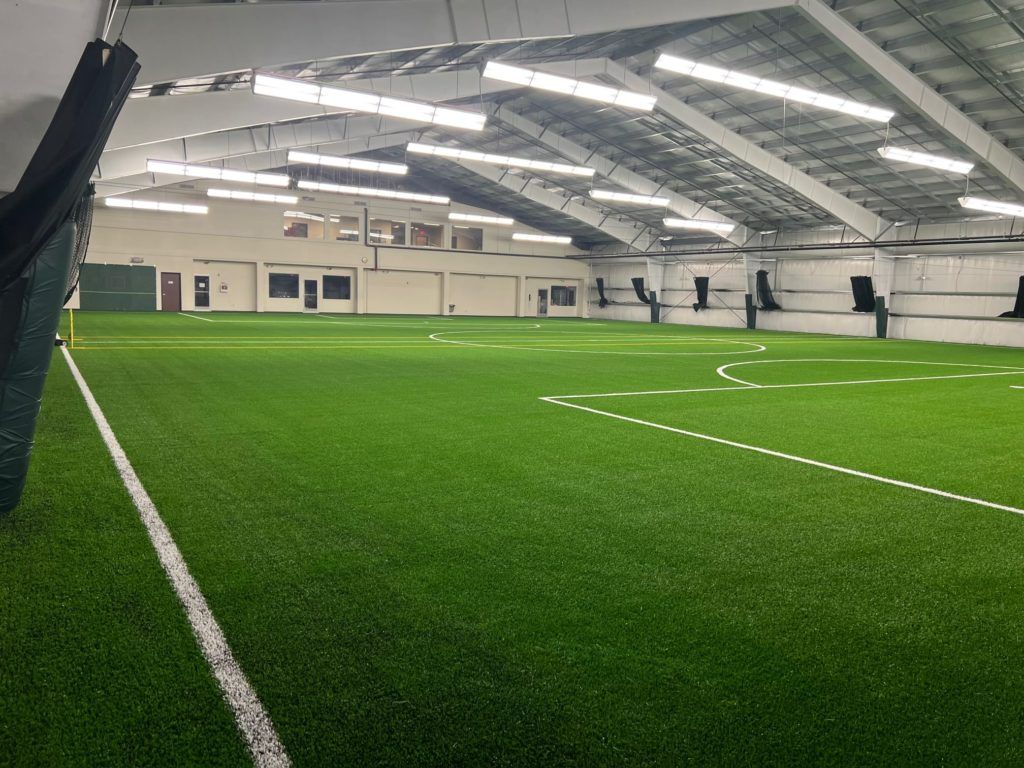
Keystone installed dual-fiber synthetic turf with a thatch zone inside FC Copa Academy’s Hillsborough Township facility. The turf work provided the indoor playing area for the newly opened location.
Project Details
- Installation of dual-fiber synthetic turf with a thatch zone inside the new indoor facility
Materials & Systems
- Dual-fiber synthetic turf with a thatch zone
Design Elements
- Sports lines for soccer
FAQs
What should guide the choice of turf for an indoor sports facility? Start with the activities an indoor facility will host, including the type of training, intensity of use, and expectations for ball movement underfoot. Those requirements help narrow the turf options before appearance is considered. The selected system also needs to suit the installation area and the operator’s maintenance capabilities. Comparing these factors together gives owners a practical basis for choosing a surface that supports their program over time.
How is indoor turf care planned after installation? An indoor maintenance plan should identify who will remove debris, inspect the surface, and respond to damaged seams or transitions. Cleaning equipment and products need to match the installed turf system’s requirements; outdoor field practices should not be transferred automatically to every indoor product. Regular observations of busy areas can help operators recognize wear early and arrange repairs before a small defect affects a larger part of the surface.