
Edgewood Country Club Tennis Court Resurfacing | Pittsburgh, PA
Edgewood Country Club Tennis Court Resurfacing | Pittsburgh, PA
Location: Pittsburgh, PA
Client: Edgewood Country Club
Facility: Tennis Courts
Project Type: Tennis Court Resurfacing
Sports: Tennis and Pickleball
Surface: Acrylic Court Surfacing
Scope: Concrete Primer, Court Resurfacing, Acrylic Coating, Tennis and Pickleball Striping
Project Gallery
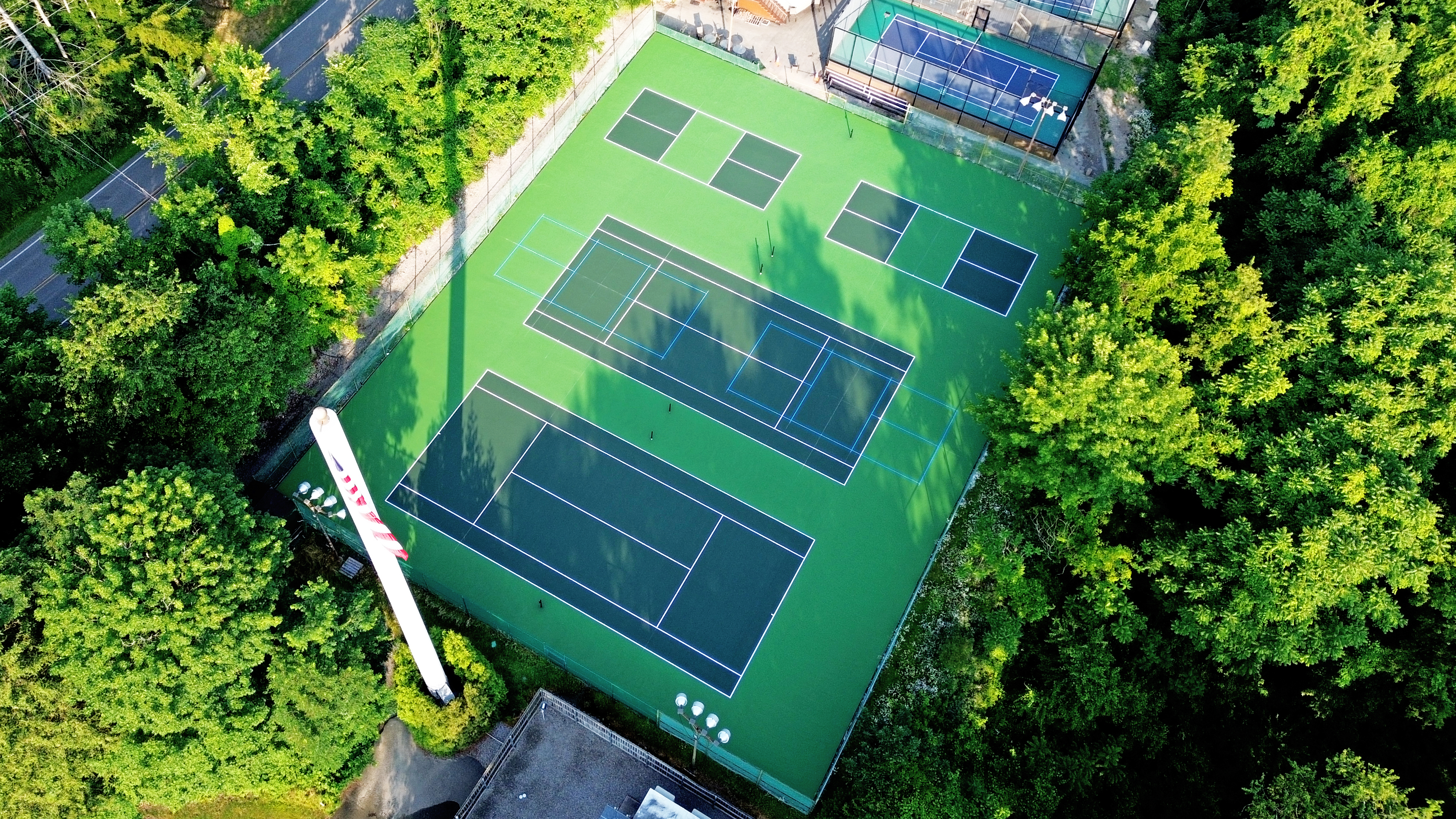
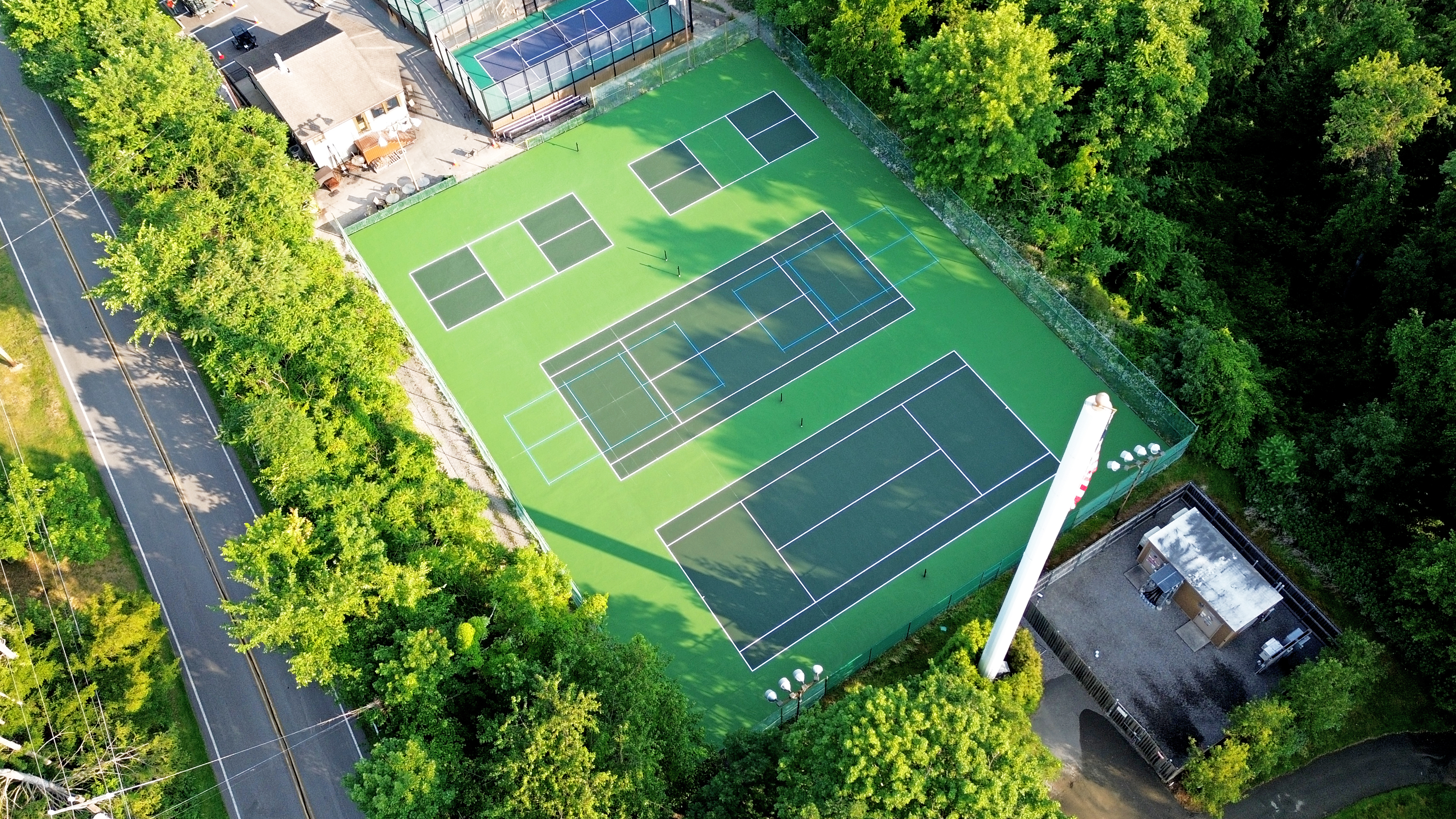
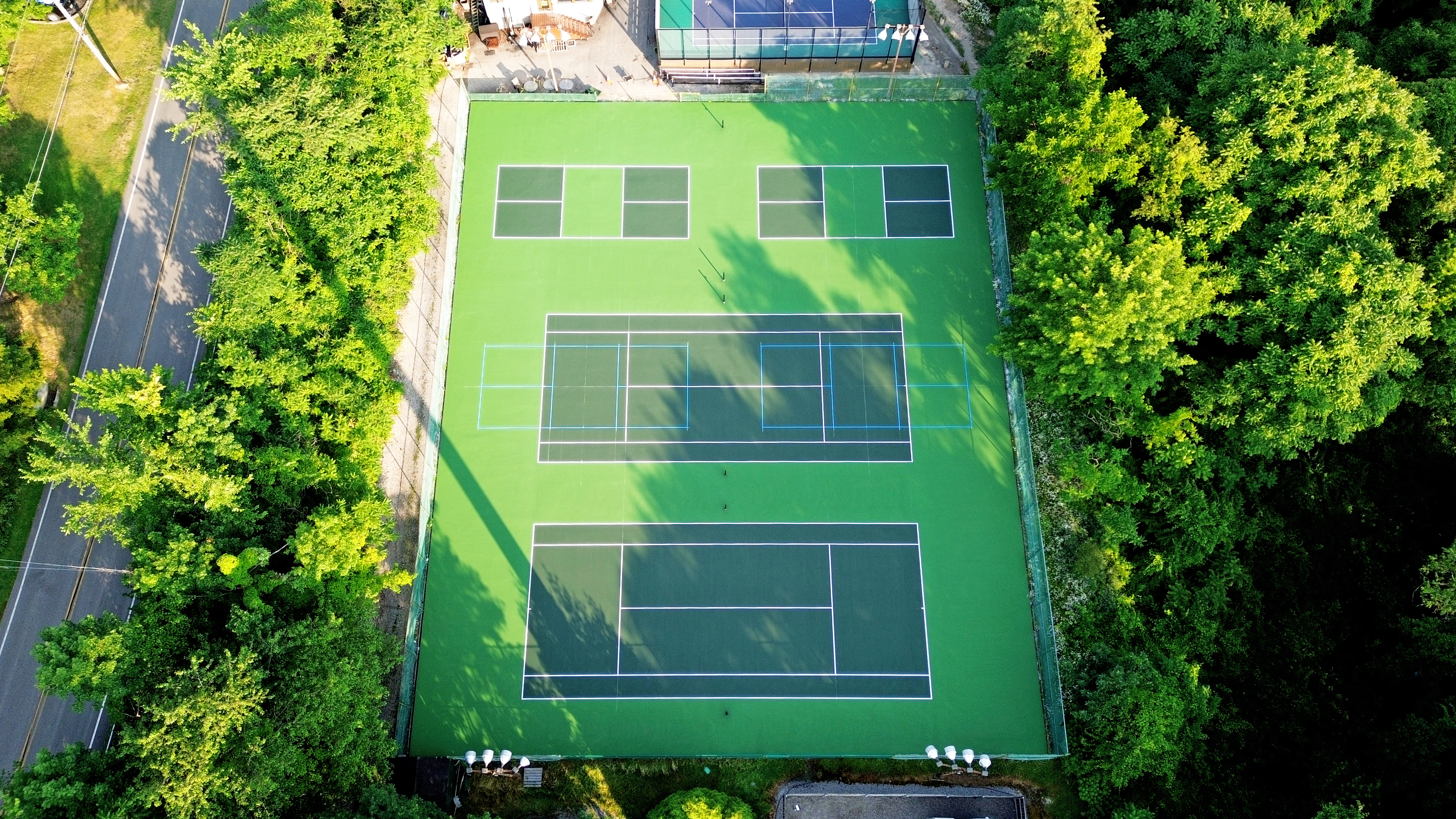
Project Summary
Keystone Sports Construction recently completed tennis court resurfacing at Edgewood Country Club in Pittsburgh, Pennsylvania.
The Client
Edgewood Country Club is one of the five founding clubs of the Western Pennsylvania Golf Association. Alongside its golf heritage, the club offers tennis as part of its recreation amenities.
The Challenge
The club’s court renovation included a concrete primer beneath the renewed surfacing. Completing that layer was part of the work leading to a new acrylic playing finish.
Construction Process
The Edgewood court work included application of concrete primer, resurfacing, and installation of new acrylic surface coatings. Keystone then completed tennis and pickleball striping on the renovated courts.
Project Details
- Application of concrete primer.
- Court resurfacing.
- Installation of new acrylic surface coatings.
Materials & Systems
- Concrete court primer.
- Acrylic court surfacing and color coating.
Design Elements
- Sports lines for tennis and pickleball.
FAQs
Why might a concrete court need primer before acrylic surfacing? Concrete and acrylic surfacing need to work together as a coating system. Where a primer is specified, it helps establish the bond between the prepared concrete and the layers applied above it. The slab condition and the manufacturer’s requirements guide product selection and preparation. Applying primer does not remove the need to address unsuitable concrete or other underlying defects; it serves a defined role in the selected surfacing system.
What can be customized during court resurfacing? Owners can use resurfacing to coordinate court colors, renew the line scheme, and add selected branding elements. A contrasting surrounding area can distinguish the active playing space, while logos or lettering can connect the courts with the facility’s identity. These choices should be reviewed together to preserve clear game boundaries. The coating project provides a practical point to finalize that design because the colors and markings become part of the renewed playing finish.