
Delaware State University Tennis Court Resurfacing and Crack Repair | Dover, DE
Delaware State University Tennis Court Resurfacing and Crack Repair | Dover, DE
Location: Dover, DE
Client: Delaware State University
Facility: Tennis Courts
Project Type: Tennis Court Resurfacing and Crack Repair
Sports: Tennis
Surface: Acrylic Court Surfacing
Scope: Minor Crack Repair, Resurfacing, Acrylic Coating, Pole and Net Installation
Project Gallery
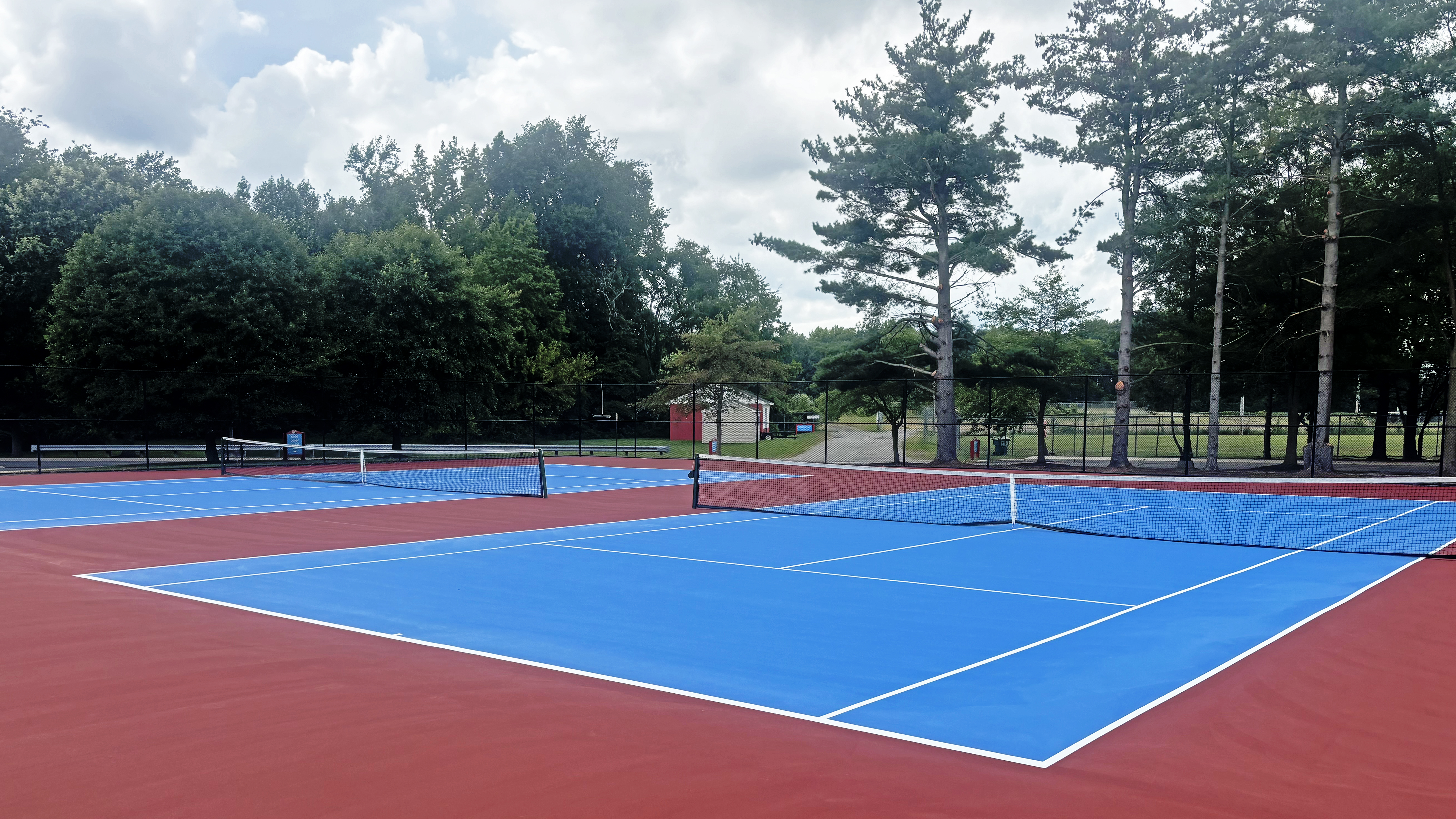
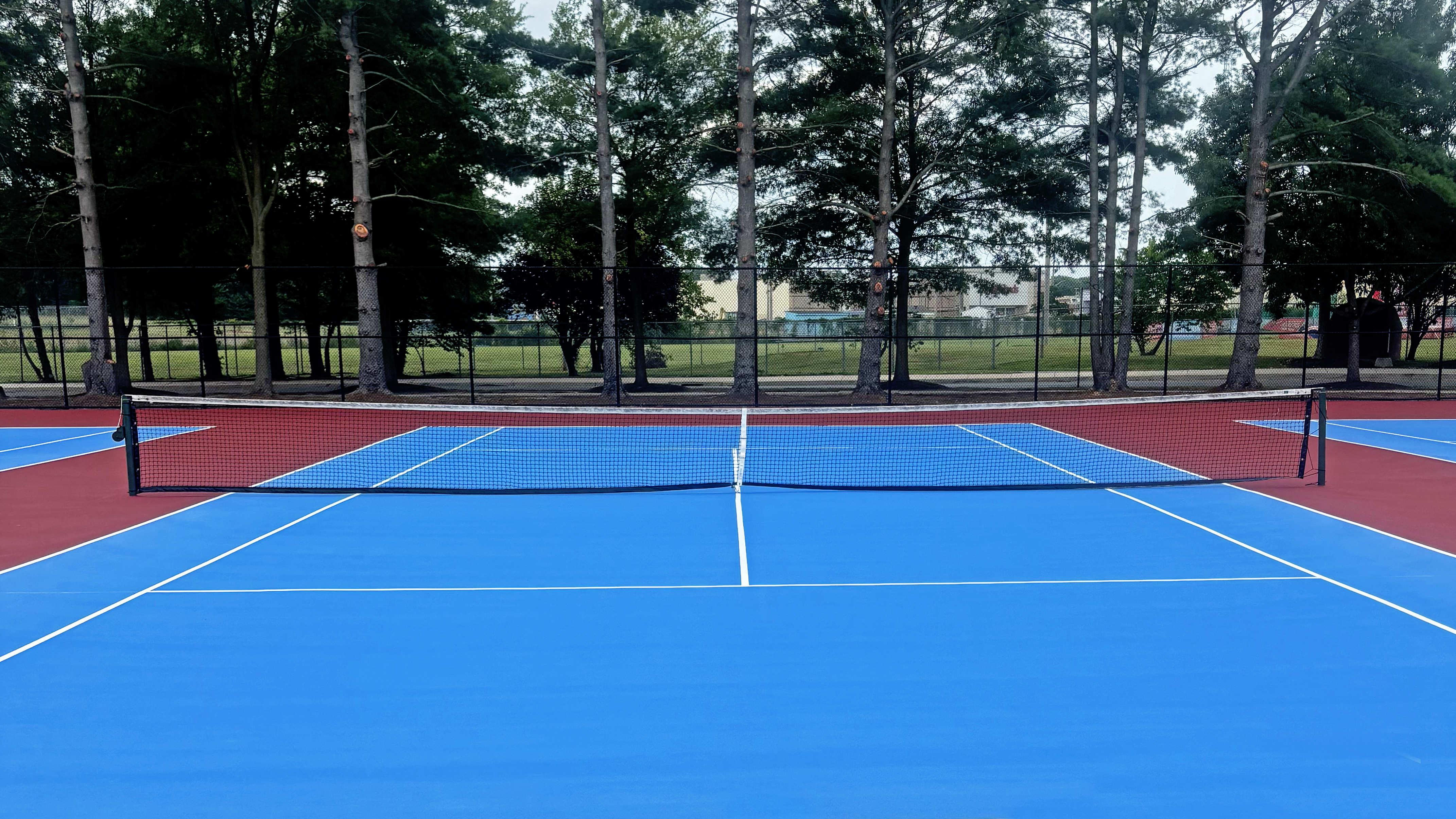
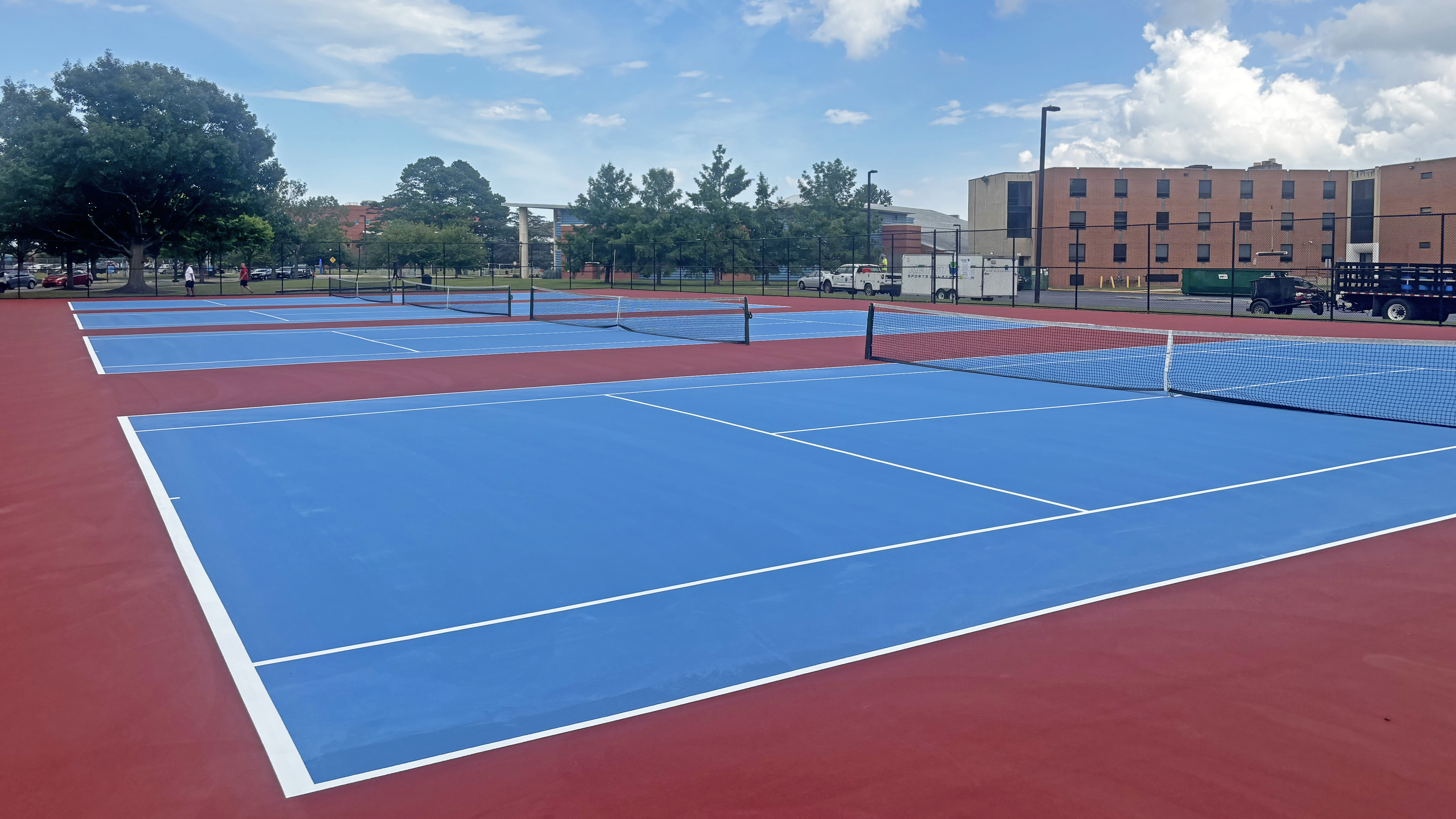
Project Summary
Keystone Sports Construction recently completed tennis court resurfacing and crack repair for Delaware State University in Dover, Delaware.
The Client
Founded in 1891, Delaware State University is a historically black university with a longstanding land-grant educational heritage.
The Challenge
Minor surface cracks required repair before the courts received fresh surfacing and acrylic coatings.
Construction Process
The project included repairing minor surface cracking, resurfacing, and installing new acrylic surface coatings on the courts. Afterward, tennis line striping was provided for the courts, and poles and netting were installed.
Project Details
- Minor surface crack repairs.
- Court resurfacing and new acrylic coatings.
- Tennis poles and netting.
Materials & Systems
- Acrylic court surfacing and color coating.
Design Elements
- Tennis court line striping.
FAQs
What does court resurfacing involve? Court resurfacing restores the acrylic playing surface after wear, weather, and sun exposure have affected its finish. The process includes preparing the existing surface, addressing defects such as cracks or bubbling where needed, and applying fresh surfacing and color coatings before restriping. Evaluating the court first helps distinguish problems that can be addressed at the surface from pavement damage requiring more extensive work.
How are cracks repaired before a court is resurfaced? The appropriate repair depends on whether cracking is limited to the playing surface or extends into the pavement beneath it. Keystone evaluates the location, extent, and condition of the cracks before selecting a treatment. Addressing those defects before applying new acrylic coatings helps prepare a more consistent surface; simply coating over a crack does not resolve an underlying structural problem. More extensive pavement damage may require a broader renovation.