Transitioning Indoors: High-School Gym Floor Refinishing Before Hoops Season
Read More
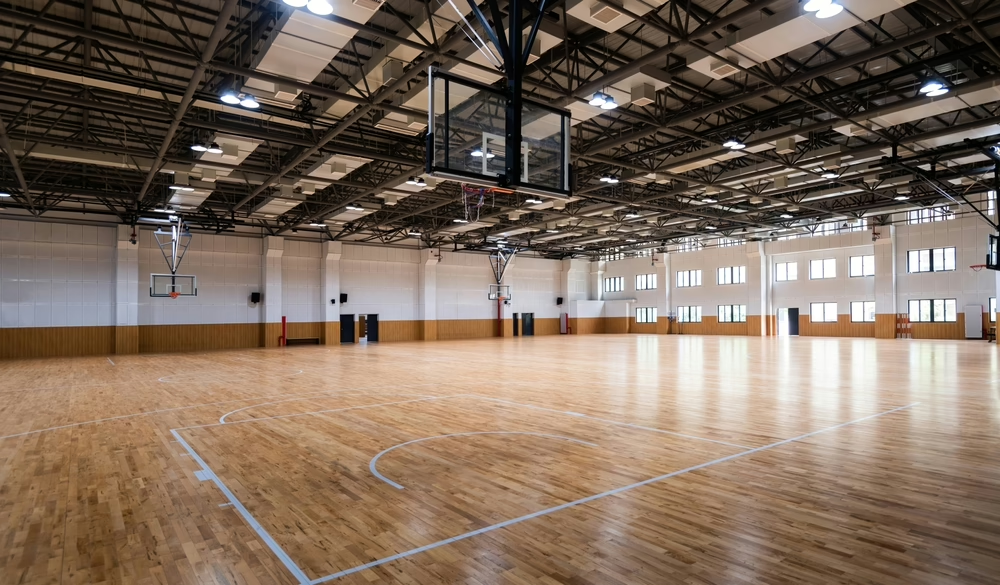
Your gym floor is one of the most critical investments in your athletic facility. Whether it’s hosting championship games, daily practices, or community events, a well-maintained gymnasium floor not only ensures optimal performance but also protects athletes from injury while preserving your facility’s professional appearance. At Keystone Sports Construction, we’ve seen firsthand how proper maintenance can extend a gym floor’s lifespan from the typical 10-15 years to well over two decades.
Getting gym flooring in Pennsylvania? Modern gymnasium floors, particularly maple hardwood systems, represent a significant financial investment that can range from $8 to $15 per square foot installed. With proper care, these surfaces can serve your facility reliably for 20-30 years or more. However, neglect can lead to premature replacement, costing tens of thousands of dollars and requiring facility downtime during peak usage periods.
The key to maximizing your floor’s longevity lies in implementing a comprehensive maintenance program that addresses both daily care and long-term preservation needs. This approach not only protects your investment but ensures consistent playing conditions that athletes and coaches depend on.
The foundation of gym floor maintenance begins with daily dust mopping. Use microfiber dust mops or tack cloths to remove dirt, dust, and debris that can act like sandpaper on your floor’s finish. Always mop in the direction of the wood grain when possible, and ensure mops are clean and dry before use. For deeper cleaning, use only manufacturer-approved cleaning products specifically designed for gymnasium floors. Avoid household cleaners, which can damage the finish or leave residues that affect traction. Mix cleaning solutions according to manufacturer specifications, as overly concentrated products can cause finish deterioration.
Controlling humidity levels between 35-50% is crucial for preventing wood movement that leads to gaps, cupping, or crowning. Install and maintain proper HVAC systems with humidity controls, and use dehumidifiers or humidifiers as needed based on seasonal conditions. Address spills immediately using absorbent towels, followed by appropriate cleaning solutions. Never allow standing water to remain on the floor, as moisture penetration can cause permanent damage to both the finish and underlying wood.
Weekly deep cleaning should involve damp mopping with approved gymnasium floor cleaners. Use minimal moisture, ensuring mops are well-wrung to prevent excess water from seeping into seams or damaged areas of the finish.
Monthly maintenance should include thorough inspection of the entire floor surface, checking for worn areas, scratches, or finish deterioration. Document these findings to track patterns and plan for preventive maintenance before problems become serious. Maintain proper traction through regular cleaning that removes dirt and oils while preserving the floor’s natural slip-resistant properties. If traction becomes inadequate, consult with flooring professionals about appropriate traction enhancement products that won’t compromise the finish.
During humid summer months, monitor moisture levels closely and ensure air conditioning systems maintain consistent temperature and humidity. This is also an ideal time for major maintenance activities like screen and recoat procedures, as facilities often have reduced usage.
Cold weather brings unique challenges, including increased static electricity and potential moisture issues from snow and ice tracked in from outside. Implement rigorous entrance mat systems and consider anti-static treatments if problems persist.
Plan major refinishing projects during winter breaks when facilities can be closed for extended periods without disrupting athletic seasons.
Invest in high-quality floor covers for non-athletic events. Proper covers distribute weight evenly and prevent damage from setup equipment, tables, and chairs. Never allow furniture or equipment to be placed directly on the gym floor without appropriate protection. When setting up for events, use furniture pads or dollies to move equipment, and ensure all furniture legs have protective caps or pads to prevent scratches and dents.
Establish clear policies for equipment use on your gym floor. Wheeled equipment should have non-marking wheels, and any equipment with metal components should have protective padding where it contacts the floor. Regularly inspect and maintain athletic equipment to ensure it won’t damage your floor surface. Replace worn or damaged equipment that could cause scratches or gouges.
Every 2-4 years, depending on usage levels, gymnasium floors benefit from professional screen and recoat services. This process removes surface scratches and applies a fresh coat of finish, restoring appearance and protection without the expense of full refinishing.
Work with qualified contractors who specialize in gymnasium floors and use appropriate products designed for athletic facilities. The timing of these services is crucial to minimize disruption to athletic programs.
When screen and recoat procedures are no longer sufficient, full refinishing becomes necessary. This typically occurs every 8-12 years with proper maintenance, or sooner with heavy use or inadequate care.
Full refinishing involves sanding the floor down to bare wood and applying multiple coats of finish. While more expensive and time-consuming, this process can restore even heavily worn floors to like-new condition.
Develop a comprehensive maintenance calendar that includes daily, weekly, monthly, and annual tasks. Assign responsibilities to specific staff members and ensure they receive proper training on gymnasium floor care procedures.
Document all maintenance activities, including products used, areas of concern identified, and any repairs completed. This record-keeping helps track the floor’s condition over time and supports warranty claims if issues arise. Take this into account with sports field design.
Allocate 1-3% of your original floor investment annually for maintenance and eventual refinishing. This proactive budgeting approach prevents deferred maintenance that leads to premature replacement needs. Consider establishing a dedicated fund for major floor maintenance, setting aside money each year to cover screen and recoat or refinishing costs when they become necessary.
Develop relationships with qualified gymnasium floor maintenance professionals who can provide regular assessments, maintenance services, and emergency repairs when needed. Their expertise can identify potential problems early and recommend cost-effective solutions.
Your gym floor doesn’t have to be a source of stress and unexpected expenses. With the right approach to maintenance, it can serve your facility reliably for decades while keeping athletes safe and your facility looking professional.
Here’s the bottom line: taking care of your gym floor isn’t rocket science, but it does require consistency, the right products, and occasional professional help. The good news is that every dollar you spend on proper maintenance saves you several dollars in premature replacement costs.
At Keystone Sports Construction, we’ve helped hundreds of facilities get the most out of their flooring investments. We know that every gym has its own personality and challenges, and we’re here to help you figure out what works best for your situation. Whether you need a maintenance plan, emergency repairs, or you’re thinking about that inevitable refinishing project, we’ve got the experience to keep your floor performing at its best.
Remember, a well-maintained gym floor is like a reliable car – treat it right, and it’ll serve you faithfully for years to come. Neglect it, and you’ll be dealing with expensive problems when you least expect them. The choice is yours, but we’re here to help either way. Contact us today!