All-Weather Running Track Surfacing: EPDM vs. Polyurethane Systems
KeystoneSportsConstruction |
February 26, 2026
Whether you are overseeing a high school athletic department, managing a municipal park, or designing a collegiate sports complex, the track surface is one of the most significant investments you will make. It is more than just a place to run. It is a high-performance engine that provides safety, durability, and speed.
At Keystone Sports Construction, we believe that making an informed choice starts with understanding the chemistry and engineering beneath your feet. The two heavyweights of the industry are EPDM (Ethylene Propylene Diene Monomer) systems and Polyurethane systems. While they may look similar from the bleachers, their performance profiles, installation methods, and price points vary significantly.
Understanding the Basics: What Makes a Track “All-Weather”?
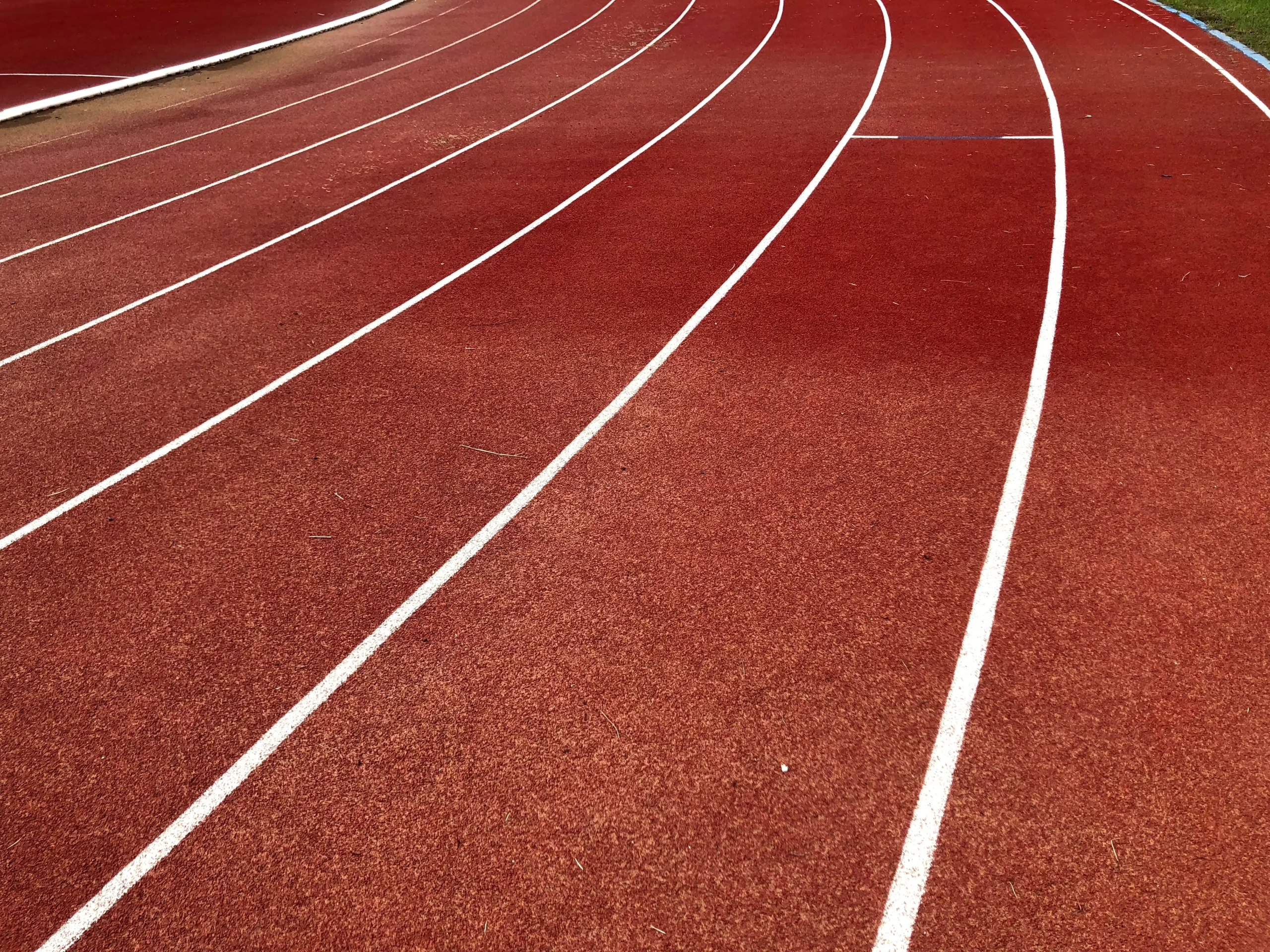
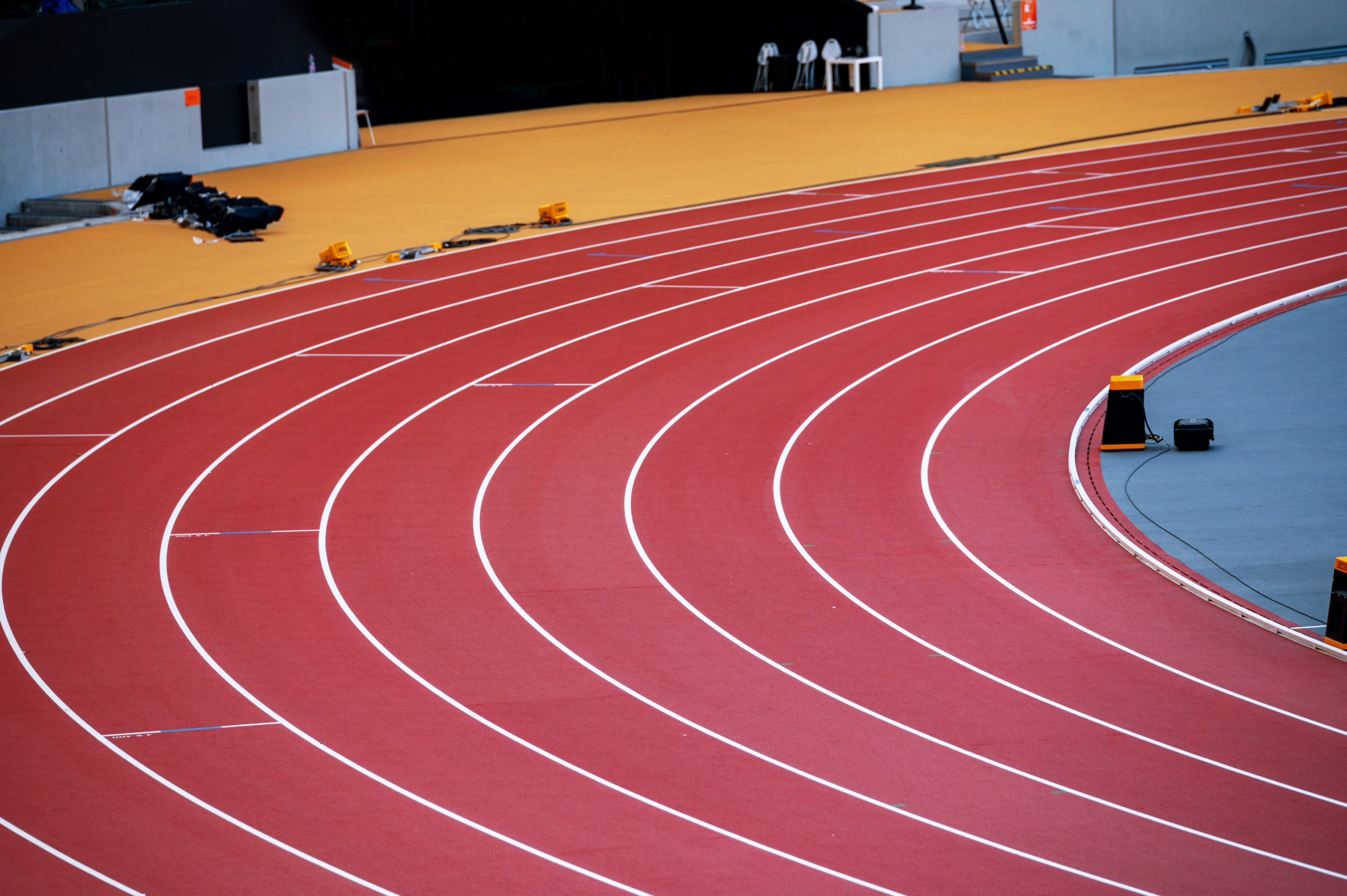
An all-weather track stays functional during rain and resilient during extreme temperature fluctuations. Modern tracks are typically composed of a mix of rubber granules and a binding agent, layered over an asphalt or concrete base.
The “system” refers to how these materials are applied. Some are porous, allowing water to drain through the surface, while others are solid and impermeable, requiring a slight slope for drainage.
1. EPDM Systems: The Practical Workhorse
When people talk about EPDM tracks, they are usually referring to latex-bound or basic polyurethane-bound systems that use EPDM rubber granules. EPDM is a synthetic rubber known for its resistance to UV rays and weathering.
The Construction
In an EPDM system (often referred to as a “Mat and Spray” or “Base Mat” system) the surface is typically composed of:
A Base Layer: Black SBR (Styrene-Butadiene Rubber) granules mixed with a binder.
A Top Layer: EPDM virgin rubber granules sprayed or broadcast over the top to provide color and UV protection.
Pros of EPDM Systems
Cost-Effectiveness: Generally, EPDM systems (specifically porous versions) are the most budget-friendly option for schools and local parks.
Permeability: Most EPDM systems are porous. This means water drains straight through the surface to the sub-base, preventing puddling and allowing athletes to train immediately after a rainstorm.
Ease of Repair: If a section becomes damaged, it is relatively simple to patch without needing to resurface the entire track.
Cons of EPDM Systems
Longevity: Because the system is often porous, it is more susceptible to “freeze-thaw” cycles where water expands inside the pores, potentially loosening the granules over 8 to 10 years.
Energy Return: While comfortable, it does not offer the same “spring” or energy return as elite polyurethane systems.
2. Polyurethane Systems: The Gold Standard
Polyurethane systems are the elite choice, often found at professional stadiums and Division I universities. These systems are categorized into three main types: Porous, Sandwich, and Full Pour.
A. Porous Polyurethane (The Entry-Level Pro)
Similar to EPDM systems but using a higher grade of polyurethane binder. It offers better structural integrity while maintaining water permeability.
B. Sandwich Systems (The Best of Both Worlds)
The Sandwich System is exactly what it sounds like:
Bottom: A base mat of SBR rubber.
Middle: A layer of polyurethane sealer that “plugs” the holes.
Top: A thick layer of poured polyurethane with EPDM granules embedded in it. Result: An impermeable, incredibly durable surface that offers high energy return and a lifespan of 10 to 12 or more years.
C. Full Pour Systems (The Olympic Choice)
A Full Pour system contains no “base mat.” Instead, it consists of multiple layers of solid polyurethane and rubber mixed and poured on-site. It is a solid, impermeable mass.
Pros of Polyurethane Systems
High Performance: These tracks are “fast.” They provide excellent force reduction to protect joints and high energy return to propel the runner forward.
Extreme Durability: Full pour and sandwich systems are virtually indestructible under normal use. They handle high-volume traffic and spiked shoes with ease.
Aesthetics: The colors remain vibrant for decades, and the seamless finish is visually stunning.
Cons of Polyurethane Systems
Price: The initial capital investment is significantly higher than a standard EPDM system.
Drainage Requirements: Since these are often impermeable, your facility must have a well-engineered perimeter drainage system to handle runoff.
Comparison at a Glance
Feature
EPDM (Porous/Mat & Spray)
Polyurethane (Sandwich/Full Pour)
Primary Use
High Schools, Parks, Middle Schools
Universities, Pro Stadiums, Elite HS
Initial Cost
Lower
Higher
Lifespan
8 to 10 Years
12 to 15+ Years
Maintenance
Moderate
Low
Performance
Good / Soft
Excellent / Fast
Permeability
High (Porous)
None (Impermeable)
Which System is Right for Your Facility?
Choosing between these two is about which is better for your specific goals.
Choose EPDM if:
You are working with a tight municipal or school board budget.
The track is primarily used for physical education classes and community walking.
You need a porous surface to manage local environmental drainage regulations.
You want the lowest possible cost per year over a 20-year period (higher upfront, but longer life).
You have a dedicated maintenance budget to keep drainage systems clear.
Maintenance: The Great Equalizer
Regardless of the system you choose, longevity is dictated by maintenance. All-weather tracks are low maintenance, not “no maintenance.”
Keep it Clean: Leaves and organic debris can break down and create a “soil” that fills the pores of EPDM tracks or creates slip hazards on Polyurethane.
Control Traffic: See that only appropriate footwear (track spikes) is used. Keep bicycles, skateboards, and heavy equipment off the surface.
Professional Inspection: Have a specialist like Keystone Sports Construction perform a health check every 2 to 3 years to catch small cracks before they become expensive failures.
Why Keystone Sports Construction?
From initial design to the final finish, at Keystone, we do more than lay rubber; we handle every stage of running track construction in NJ with precision.We engineer athletic environments. From the initial excavation and laser-leveling of the sub-base to the precision pouring of the topcoat, our team sees that your track meets professional standards and local safety requirements.
Related Posts
January 1, 2026
Key Considerations for Track Flooring in College Athletics